The Best Fluffy Pancakes recipe you will fall in love with. Full of tips and tricks to help you make the best pancakes.

You’re probably losing 20% of your labor budget every shift just from a poorly laid-out kitchen. To fix that, map your workflow through seven stages: receiving, storage, prep, cooking, plating, service, and warewashing.
Keep your sink, stove, and fridge within 4 to 9 feet of each other to cut unnecessary steps. Watch for crossed paths between dirty dishes and clean food, too. Clean up these friction points, and you’ll speed up tickets and keep your team moving seamlessly.
There’s a simple way to pinpoint exactly where the slowdowns are hiding.
Is Your Kitchen Layout Costing You 20% in Labor Every Shift?
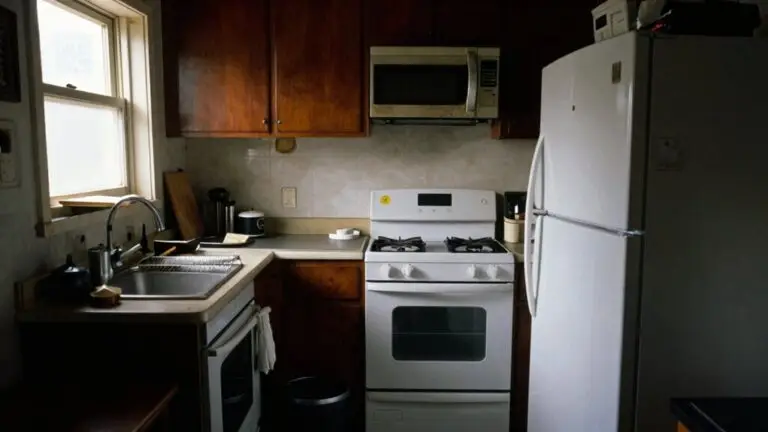
Since your kitchen’s layout might be quietly burning through labor costs, let’s look at how it’s forcing your team to work harder, not smarter. A smart commercial kitchen workflow starts with understanding that kitchen layout is key.
Poor workflow design makes your kitchen staff take extra steps, creating unnecessary movement that slows down food preparation.
Those extra trips add up, costing you about 20% in labor every shift.
You’re paying people to walk in circles, not cook.
Don’t let equipment dictate your flow.
Instead, focus on optimizing workflow around how your team actually moves.
This cuts the wasted steps and keeps your staff focused on plating, not backtracking.
It’s a simple shift, but it saves real time—and real money.
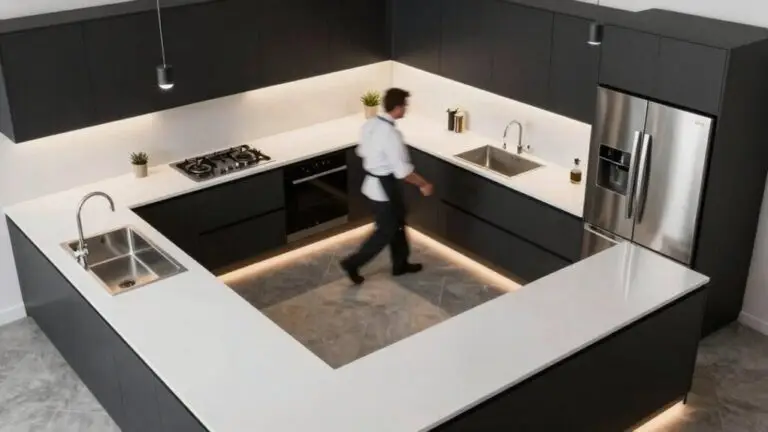
The classic kitchen design principle connects your refrigerator, sink, and stove as three essential points, keeping each station 4–9 feet apart to eliminate the unnecessary steps that drain your team’s time and energy.
Track Your Kitchen’s Workflow Through Seven Stages
To see exactly where your kitchen’s slowing down, map your workflow into seven stages: Receiving → Storage → Preparation → Cooking → Plating/Assembly → Service → Warewashing. This linear path, following food-flow logic from raw to ready-to-eat, keeps contamination low and efficiency high.
When you track each stage, you’ll spot bottlenecks before they wreck a rush. Your Food Storage might be too far from prep areas, forcing wasted steps. The Cooking stage could idle while waiting for ingredients from staging.
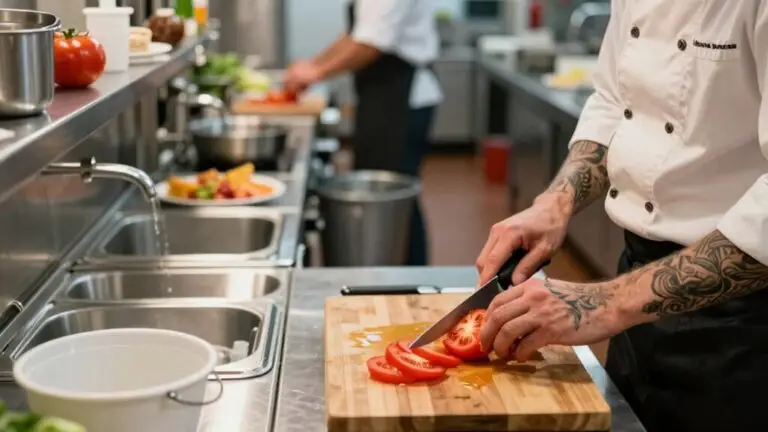
In Plating/Assembly, tight spacing might cause collisions between finished plates and dirty dishes. Warewashing backed up? Clean tools won’t reach cooks, stalling the whole restaurant kitchen. To confirm where time is actually lost, record timestamps at every step as you physically trace a single ticket from receipt to plate across multiple rush orders.
How to Map Your Current Workflow and Spot Friction Points
Now that you’ve got the seven stages in mind, it’s time to map your actual workflow and see where things go sideways.
Grab a pen and sketch a simple arrow diagram from receiving through warewashing.
Look for crossed or backtracking lines; those signal friction points slowing you down.
Mark where orders wait.
In a busy service, ticket times blow up when food sits on the counter or cooks fight for shared space.
That’s pure waste.
Next, audit your flow for food safety: guarantee raw moves one direction toward ready-to-eat, never crossing paths with dirty-dish returns.
Intersecting routes wreck an efficient kitchen.
Check aisles are at least 48 inches wide and that you’ve divided your kitchen into zones based on actual movement.
If your map shows constant restocking trips, you’re overproducing.
Use these insights to streamline workflows without guesswork.
Cutting bottlenecks today means faster ticket times tomorrow.
Applying work triangle logic between your sink, stove, and fridge so each side measures 4–9 feet apart can dramatically cut unnecessary movement during high-volume service.
Common Workflow Layout Mistakes That Kill Efficiency
Even though you’ve mapped your kitchen workflow and spotted the trouble spots, common layout mistakes still trip up even the best teams.
Even though you’ve mapped your workflow, common layout mistakes still trip up even the best teams.
You might’ve a solid plan, but these pitfalls can wreck your seamless workflow without disrupting anything—until they do.
Here are four common mistakes that kill efficiency in your kitchen design:
- You stash high-use items like oil and seasonings far from cooking stations, forcing you to backtrack endlessly during peak rushes.
- You ignore the dirty dish return path, letting it cross with food leaving, which creates contamination risks and workflow delays.
- You position refrigeration away from prep, breaking the logical flow between work surfaces and causing extra motion.
- You skimp on aisle space under 48 inches, creating congestion that blocks clear pathways and raises injury risks.
Placing your sink, stove, and fridge too far apart violates the work triangle principle, increasing the number of steps between every core task during service.
Fix these, and you’ll reclaim real speed without redesigning everything at once.
Cut Seven Types of Lean Waste Between Prep and Plating
Once you’ve tackled those layout hiccups, it’s time to zero in on the seven types of lean waste lurking between prep and plating. Cutting them is like decluttering your kitchen’s brain.
Start with defects: wrong orders spike refunds, so set up double-check stations and visual summaries.
Cut unnecessary motion by keeping high-use mise en place near the line—no more cross-kitchen sprints.
Prevent waiting by your cook. Waiting kills pace, so align prep volumes to real demand, shrinking service times.
Overproduction? Match your mise en quantities to ticket counts or edible inventory management suffers.
Drop extra processing like redundant garnishes that add zero value.
Positioning your stove, prep station, and sink within a 4–9 foot range of each other keeps tasting, adjusting, and rinsing seamlessly connected so flavor timing never suffers from unnecessary movement.
Time Cook Completion to Protect Food Temperature
You’ll nail food temperature by syncing each dish’s cook completion with its service window, so it never sits waiting and losing heat.
Prevent batch overlap by pacing your firing order based on ticket volume, avoiding those frantic logjams that force hot food to cool.
Finally, align your plating window with cook timing through clear SOPs. Make sure every plate hits the pass at peak warmth without a second of unnecessary delay. Just as home cooks use labeled freezer containers to time reheating within a 20-minute window, professional kitchens benefit from the same discipline of staging food so it’s served at the precise moment it’s needed.
Timing Coordination for Heat
Since your dishes won’t wait around forever, you’ve got to sync their cook times so everything hits the plating station just when it’s ready—no earlier, no later. This timing coordination is the first step in protecting food temperature and boosting overall service.
By setting a cook completion window for each of your menu items, you can start production so hot food arrives in sequence without lingering under heat lamps. That’s absolutely key for optimizing your kitchen’s operational efficiency and ensuring final presentation stays perfectly excellent. Grouping ingredients by recipe step before service begins ensures your team avoids mid-cook searching that can throw off even the most carefully timed completion windows.
- Set a cook completion window per menu item for precise start times.
- Prioritize near-arrival courier orders in rushes to cut heat lamp time.
- Split batch sizes to finish exactly when the next plating wave arrives.
- Use real-time ticket prioritization for third-party spikes.
Batch Overlap Prevention
Now that you’ve nailed the timing coordination for each dish, it’s time to tackle batch overlap head-on. Batch overlap prevention means only firing the next cook batch when the previous one’s nearly done.
This way, efficiency becomes your best friend—fewer items sit waiting, and food temperature stays protected under holding conditions.
Align completion with service windows, like courier arrival for off-premise orders, to cut delays between cooking and plating.
Your current workflow logic—Cook → Plating—should flow seamlessly, so heat leaves food right as it hits the plate.
Optimize kitchen pace by planning short, coordinated runs that match demand spikes, preventing bottleneck buildups.
Track cook times and standardize release rules at each station to minimize “waiting” waste.
With this attention to detail, you’ll save time and keep consistent temperatures consistent, right from receiving and storage to final service. Structuring your kitchen around task-based work zones ensures each station operates independently, so one batch’s completion triggers the next without cross-station congestion slowing down the entire cook sequence.
Plating Window Synchronization
Plating window synchronization often trips up busy kitchens, but it’s the key to locking in that just-cooked taste and texture.
You can’t let cooked food linger; it’s like watching a great joke die.
Instead, align every finish-time with an immediate plate-time handoff to lock in temperature.
Efficiency here means your restaurant serves hot, consistent plates, not sad, lukewarm ones.
Plan your plating to start the second each item finishes—no dawdling.
Sync prep runs with order flow so hot ingredients within reach slide directly onto the plate.
Apply a push-to-the-window rule: hold only under safe equipment for tiny gaps, not long waits.
For delivery peaks, tighten the cook-to-plate-to-pack timeline because every extra minute drops temperature.
This smart timing protects food quality and keeps your team moving without panic.
Just as a blender’s self-clean cycle runs immediately after use to prevent residue from hardening, plating should happen the moment cooking completes to prevent quality from degrading.
Organize Every Station With 5S Visual Controls
From the moment you step into your kitchen, the 5S Visual Controls start working for you. You’ll kick off with Sort (Seiri), clearing out tools you don’t use daily—no more clutter in tight spaces.
> Step into your kitchen and 5S Visual Controls clear out daily clutter before you even begin.
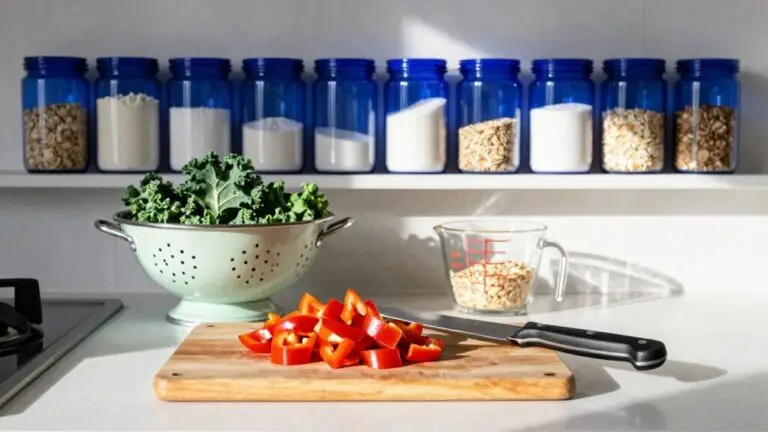
Next, Set in Order means labeling every bin and shelf, so high-velocity items sit at eye level, killing wasted motion.
Then, Shine (Seiso) becomes your daily inspection, catching frayed cords or low stock before they tank tickets.
Applying Standardize (Seiketsu) uses color-coded bins and floor markings. Anyone can jump in and find their spot, slashing prep errors.
These Safety practices also keep your station hazard-free.
Remember, Kitchen workflow thrives when every tool has a home, and your team never searches during a rush.
This system turns chaos into calm, one labeled bin at a time.
Anchoring this approach is the principle that storing items by zone—grouping pots and pans near the stove, knives and cutting boards at the prep area, and cleaning supplies around the sink—cuts unnecessary steps and keeps every station running at full efficiency.
Fix Bottlenecks Daily Before Peak Rush With Kaizen
You’ll run quick daily audits to spot exactly where tickets get stuck, then fix those issues before the rush hits.
A five-minute staff huddle right after prep wraps up lets your team share what slowed them down, so you can tackle it together.
That small, consistent habit stops small delays from snowballing into a full-blown dinner service disaster.
Quick Daily Audits
- Check Sort/Seiton, ensure every station has labeled spots for tools, so nobody wastes time hunting.
- Keep high-use items like tongs or pans within arms reach of the cook’s station, no more zigzagging across the kitchen.
- Audit storage space daily. A well-designed kitchen places the most-used ingredients front and center.
- Eliminate frustrated staff by standardizing “ready,” using color-coded bins so any team member can jump in and spot the final plating items immediately.
Five-Minute Staff Huddles
At the start of every shift, run a quick five-minute kaizen huddle to spot yesterday’s bottlenecks before the peak rush hits. These five-minute staff huddles keep your kitchen workflow seamless, using visual management at a glance to catch issues like low stock or frayed cords fast—no lengthy debates needed.
Apply 5S sort and set in order by removing unnecessary tools and labeling everything, so high-velocity items stay within arm’s reach for your prep to cooking flow and plating. You’ll convert findings into one immediate fix and an SOP tweak, preventing that extra transportation or waiting.
It’s a daily 1% improvement that compounds into major gains. No more crossed paths between raw prep and ready-to-serve plating, just cleaner, faster execution every shift.
Choose a Layout Method That Won’t Force Workflow Compromises
Because a layout that forces your staff to zigzag or retrace steps will create friction that no amount of high-tech equipment can fix, you need to put workflow first from the very beginning. This means choosing a zoning method that follows the natural flow: receiving, storage, prep, cooking, plating, then service.
When you map ingredient and dish movement before picking tools, you’ll spot cross-traffic jams before they ruin a Friday-night rush.
Place your walk-in cooler close to receiving so staff don’t haul heavy loads through busy prep zones.
Guarantee 48-inch aisles let two cooks pass without that awkward sideways shuffle.
Keep oil, seasonings, and common tools and ingredients within arm’s reach of cooking stations to avoid wasted steps.
Route dirty dishes on a one-way path away from clean work areas to cut contamination risks.
You’re following restaurant industry standards, but more importantly, you’re designing a kitchen where your staff actually wants to work.
Final Thoughts
So, you’ve mapped your kitchen’s workflow from prep to plating. Now it’s time to put that map to work. You don’t need a total redesign—just a few smart tweaks. Start cutting waste, timing your cooks, and spotting one bottleneck a day before the rush chaos hits.
Your team moves faster, your food stays hot, and you stop losing 20% of labor. Honestly, that feels like a win you can taste.