The Best Fluffy Pancakes recipe you will fall in love with. Full of tips and tricks to help you make the best pancakes.

Optimize Your Kitchen Efficiency with the Work Triangle
Designing a kitchen that truly works for you starts with understanding how layout and movement interact.
A well-planned kitchen workflow can transform everyday cooking into a seamless, enjoyable experience.
This website explores how to optimize your kitchen layout using the timeless work triangle concept, helping you reduce wasted steps, improve workflow efficiency, and create a functional kitchen that saves time and energy.
Whether you’re redesigning or starting fresh, this article offers practical insights worth reading.

Articles of the Week
Fusce dignissim blandit justo, eget elementum risus tristique. Nunc lacus lacus, sit amet accumsan est pulvinar non. Praesent tristique enim lorem. Phasellus a auctor lacus.



How Does the Kitchen Work Triangle Improve Workflow?
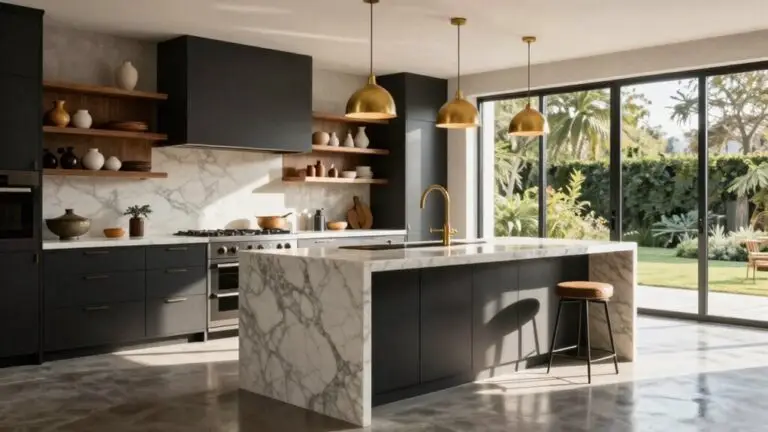
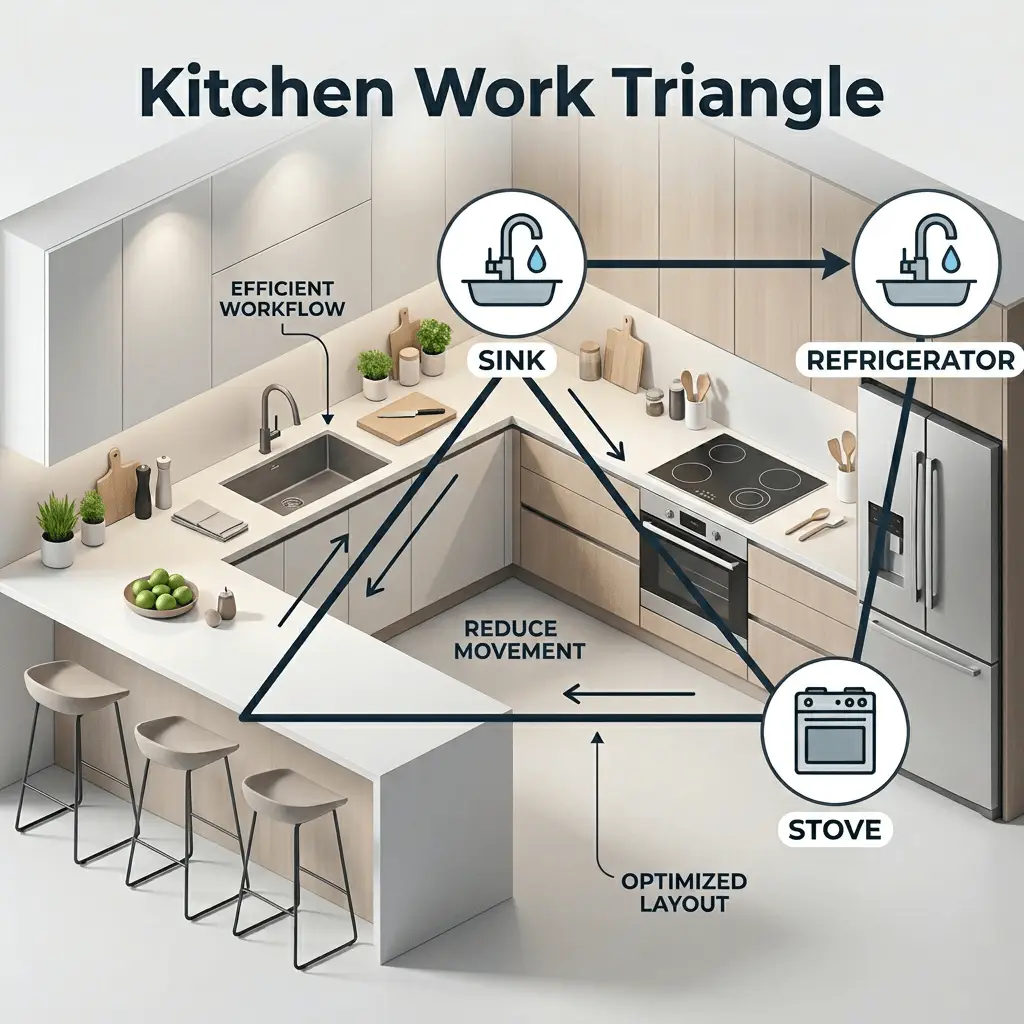
The kitchen work triangle is a classic design principle that connects three main points of the triangle: the sink, the oven, and the refrigerator. This triangle minimizes wasted steps by positioning these essential zones within easy reach.
The concept of the kitchen work focuses on efficiency by reducing the distance between these areas. A properly designed work triangle ensures that movement between cooking, cleaning, and food storage is seamless. This traditional triangle remains relevant even in modern kitchens.
By applying the kitchen triangle effectively, you create an efficient kitchen design that supports both convenience and performance. It’s a foundational idea in kitchen and bathroom design and continues to influence modern kitchens today.
What Are the Different Kitchen Layout Options?
There are several different kitchen layouts to consider, each suited to different spaces and needs. Common options include the l-shaped kitchen, u-shaped kitchen, island kitchen, and single-wall kitchen.
An l-shaped layout is ideal for open spaces and allows flexibility in kitchen and dining integration. A u-shaped kitchen offers more cabinet and countertop coverage, making it suitable for larger homes or even a commercial kitchen setup.
The single-wall kitchen, often found in a small kitchen, uses limited space efficiently. Choosing the right kitchen layout depends on your available space, lifestyle, and how you work in the kitchen.
Why Is Appliance Placement Important in Kitchen Design?
Proper appliance placement is crucial for maintaining a smooth workflow. Each appliance, from the microwave to the dishwasher, should be positioned strategically to support cooking and cleaning tasks.
Placing the cooktop near the prep area and keeping the oven accessible helps streamline food preparation. Similarly, situating the dishwasher close to the sink ensures efficient cleanup.
Good kitchen design considers how appliances interact with each other and the user. This reduces unnecessary movement and enhances overall kitchen efficiency.
How Do You Create an Efficient Kitchen Layout?
To create an efficient layout, you must consider movement, accessibility, and storage. Start by identifying your primary work areas and arranging them according to the work triangle.
An efficient kitchen layout minimizes wasted steps and ensures that everything is logically placed. Countertops should provide enough counter space for food prep, while cabinets should store frequently used items conveniently.
Creating a space that balances aesthetics and functionality is key. A well-designed kitchen combines good design with practical use, resulting in an effective kitchen that supports daily activities.

5 Small Kitchen Layout Design Ideas That Maximize Every Inch
Pinpoint the perfect small kitchen layout and discover which design secret will completely transform your cramped cooking space.
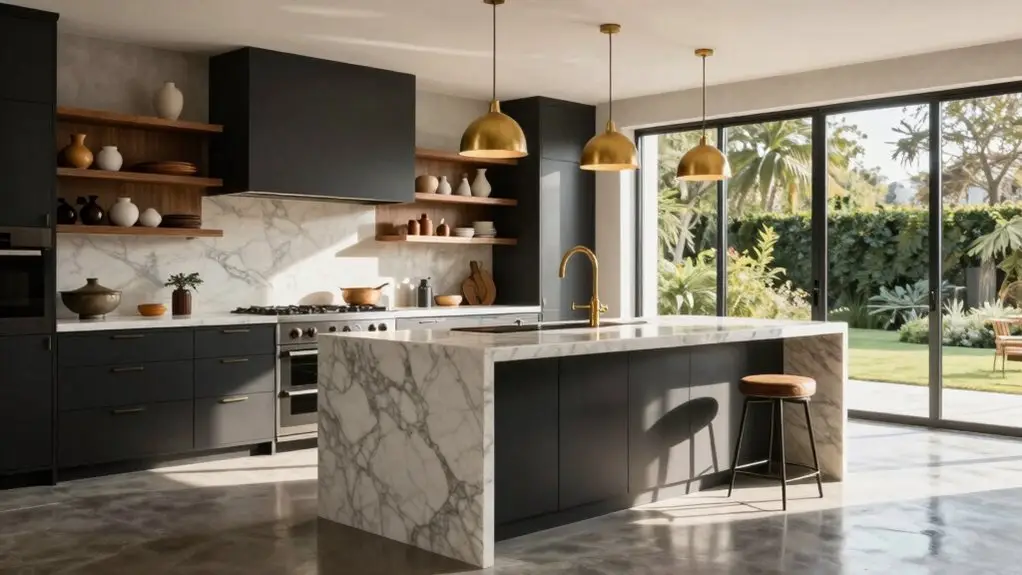
5 Kitchen Concepts That Will Transform Your Cooking Space
Clever layouts, smart zoning, and bold upgrades transform kitchens—but one secret detail changes everything.
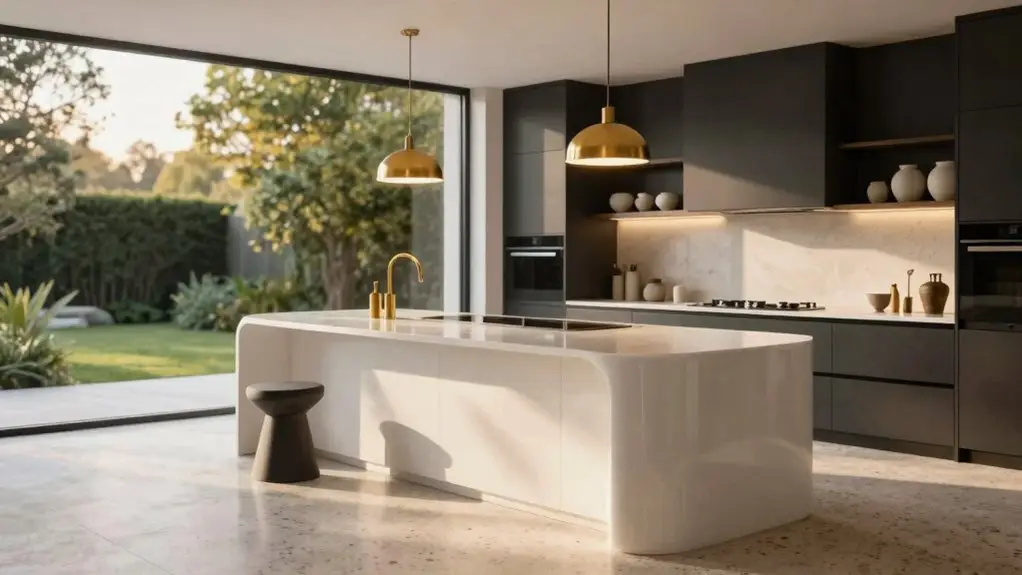
What Is U Kitchen and Why Is Everyone Talking About It?
Open this layout to discover why the U-shaped kitchen has become every homeowner’s shortcut to effortless cooking flow.
What Role Does Storage Play in Kitchen Workflow?
Food storage and organization are essential components of a functional kitchen. Proper storage solutions help keep the kitchen clutter-free and ensure easy access to ingredients and tools.
Using smart cabinet designs, including pull-out systems, allows you to maximize storage while maintaining order. Keeping food storage areas near preparation zones improves efficiency.
Kitchen display systems can also enhance both organization and aesthetics. When everything has its place, your kitchen flow becomes more intuitive and enjoyable.
How Does Interior Design Influence Kitchen Efficiency?
Interior design is not just about looks—it directly impacts how your kitchen functions. Thoughtful design choices can enhance workflow and create an efficient workflow that feels natural.
Elements like lighting, color schemes, and material choices contribute to a comfortable and productive kitchen environment. A well-designed kitchen integrates style with practicality.
In modern home design, kitchen designers focus on creating spaces that are both visually appealing and highly functional. This approach ensures that your kitchen supports both daily tasks and social interactions.
What Are the Benefits of a Kitchen Island?
A kitchen island can significantly improve workflow efficiency by adding additional counter space and storage. In an island kitchen, the island often serves as a central hub for cooking, prep, and socializing.
The design offers flexibility and can include appliances like a cooktop or extra seating. This setup helps streamline movement and keeps everything within easy reach.
Adding a kitchen island is especially beneficial in larger kitchens where extra workspace enhances productivity and convenience.
How Can You Improve Workflow Efficiency in Your Kitchen?
Improving workflow efficiency involves reducing clutter, organizing tools, and optimizing layout. Start by evaluating your current kitchen workflow and identifying areas for improvement.
Optimizing workflow may include rearranging appliances, decluttering countertops, and improving storage solutions. Small changes can lead to significant improvements in how you work in the kitchen.
Ultimately, optimizing kitchen functionality leads to a more enjoyable cooking experience. A well-planned kitchen ensures that every movement is purposeful and efficient.
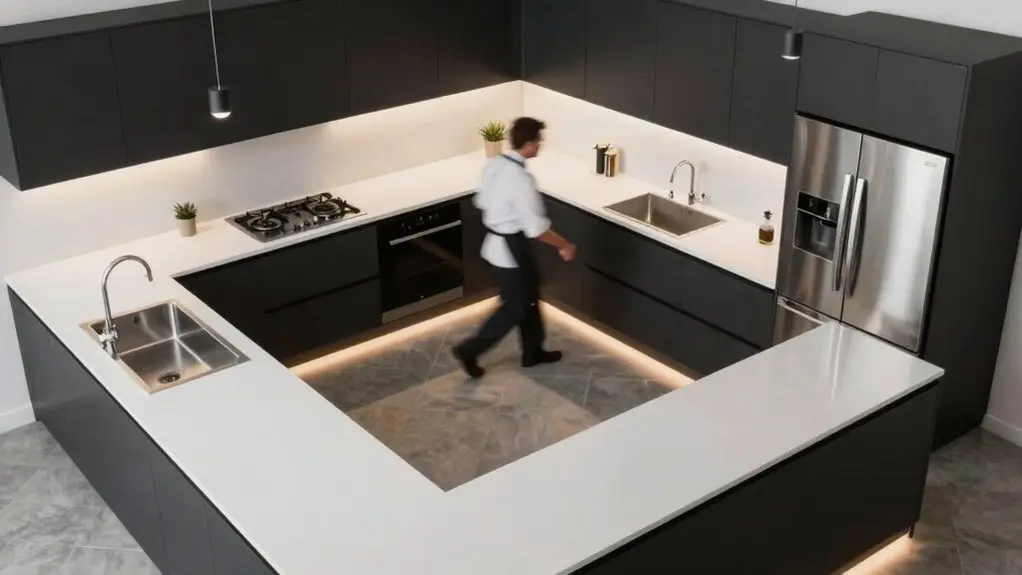
What Is the Work Triangle in Kitchen Design?
Optimize your kitchen’s efficiency by discovering how a century-old design principle still shapes modern cooking spaces.
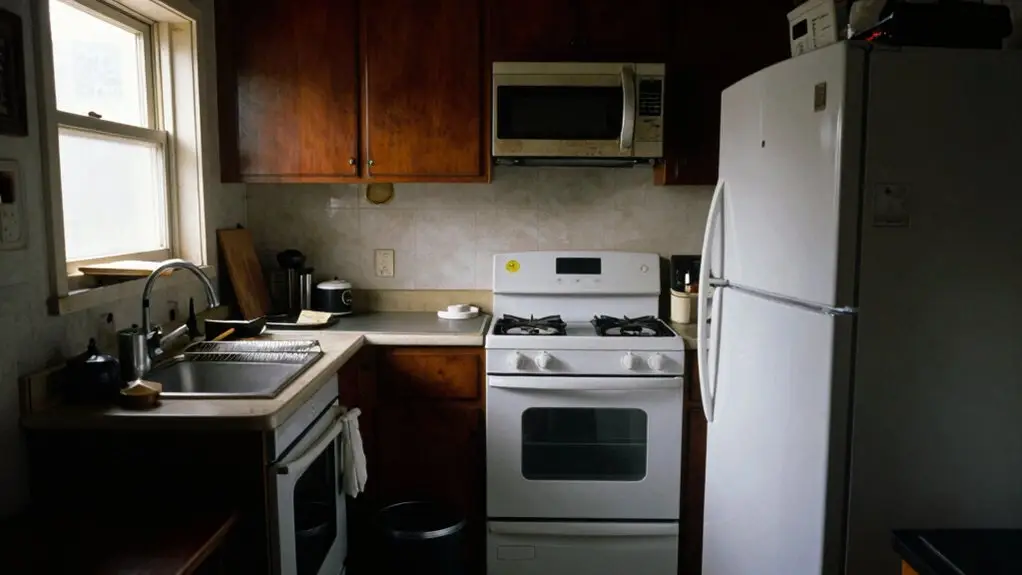
7 Inefficient Kitchen Design Problems Ruining Your Workflow
Cure seven inefficient kitchen design problems secretly ruining your workflow and draining your energy.
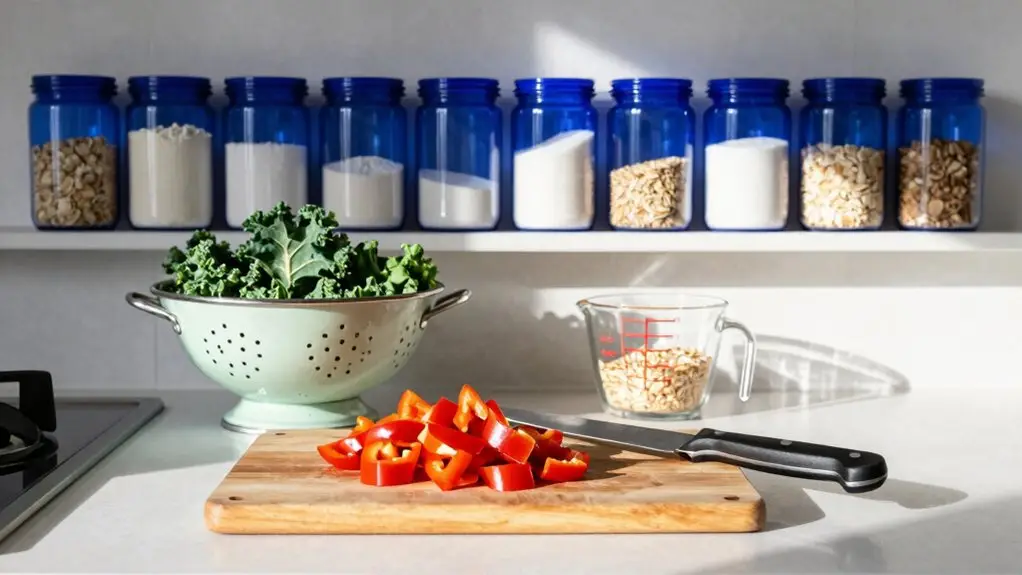
10 Steps to Creating an Efficient Kitchen Workflow From Scratch
No kitchen layout is perfect until you master these 10 workflow steps starting with your sink.