The Best Fluffy Pancakes recipe you will fall in love with. Full of tips and tricks to help you make the best pancakes.

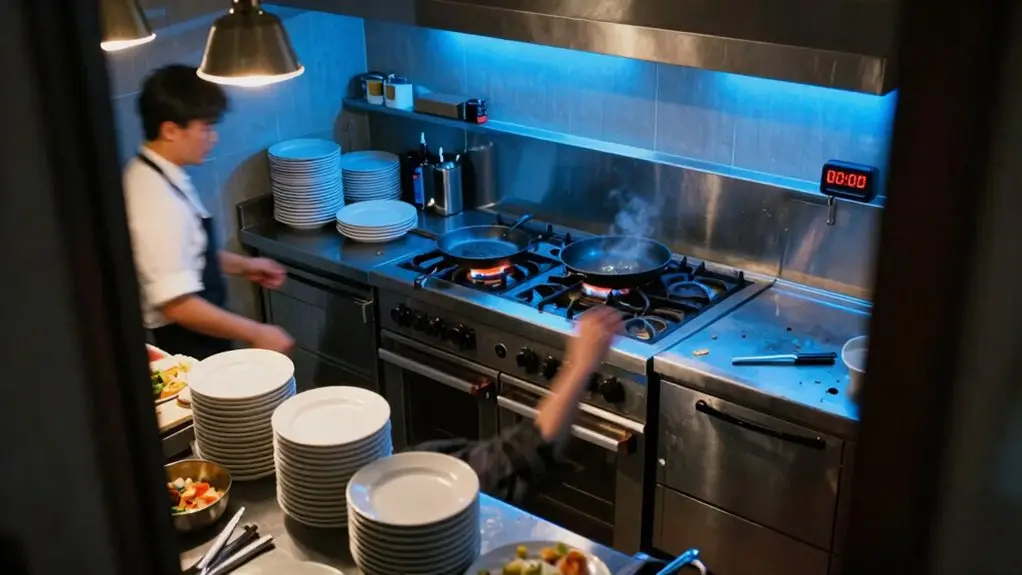
Start by tracing one order from receipt to plate. You’ll spot where minutes vanish and plates get touched twice. Watch for repeated questions, cramped handoffs, and that fryer everyone’s fighting over at 7:15 PM.
Fix the worst zone first, give one cook clear ownership per station, and lock in a 10-minute pre-shift huddle. Daily ticket tracing and quick debriefs keep the gains alive.
Stick around and you’ll turn chaos into clockwork before the next rush hits.
Spot Kitchen Workflow Bottlenecks Before Service Crashes
Imagine this: it’s 7 PM on a Saturday, tickets are piling up, and somewhere between the grill and the pass, your kitchen just stops. You’re not alone; kitchen bottlenecks happen to everyone.
To spot trouble before it crashes your service, start with a single-ticket observation. Follow one order from placement to plate, and you’ll see where work piles up, where it gets touched twice, or where your team keeps asking the same questions. That’s your bottleneck.
Fix your kitchen workflow by running a 10-minute pre-shift line check: review 86’d items, set par levels, and confirm your rush window.
Check physical pressure points, shared equipment, cramped prep space, and unclear handoffs between stations.
This isn’t just about speed. Strong kitchen organization protects food safety, facilitates food preparation, and keeps ticket times honest. You’ll catch problems before they bury you.
Trace Orders From Receipt to Plate Step by Step
Once you’ve spotted the warning signs, it’s time to get your hands dirty and follow the money, or rather, the meal. Grab one ticket and physically trace it through your Kitchen, from receipt to plate.
Follow the meal, not the money—grab a ticket and trace it from receipt to plate.
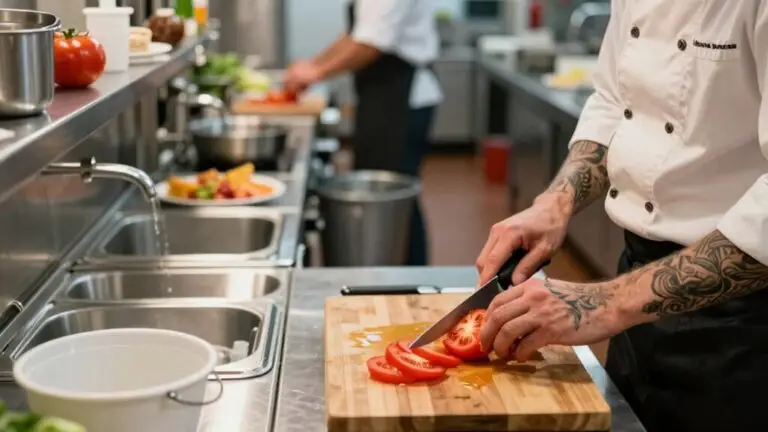
Watch where your restaurant workflow hits friction. Maybe the salad station bumps into the fry cook, or that shared piece of kitchen equipment creates a traffic jam during rush.
Jot down timestamps at every step, so you gain real operational insight into where minutes disappear. Is it prep slowing down your Menu Items, or the cooking itself?
Don’t forget the human stuff, either. At every handoff, check who’s calling “ready” and whether modifiers get repeated back clearly. Miscommunication loves to hide in your commercial kitchen, quietly wrecking speed.
You’ll feel like a detective, and honestly, you’re one.
Repeat this tracing across 5–10 rush orders to confirm where patterns emerge. One slow ticket might be a fluke, but ten tell the real story.
Redesign Zones and Upgrade Equipment That Slows You Down
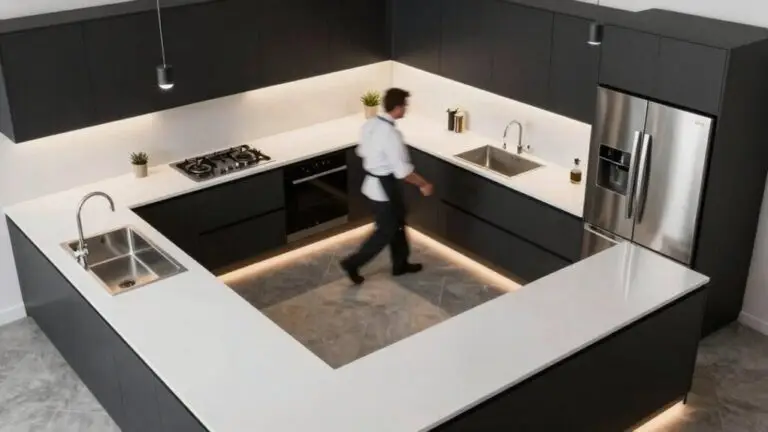
Because your kitchen’s layout is either helping you hustle or quietly sabotaging every rush, it’s time to get real about how your zones actually work. Start your layout planning by mapping the workflow sequence from receiving through service, guaranteeing each commercial kitchen zone feeds the next without crossed paths or resource fights.
Follow one ticket start to finish to spot where orders get touched twice or stall for equipment. Fix that specific zone first.
Upgrade restaurant equipment for reliability and smart placement. Tools like the AyrKing Breader Blender Sifter slash breading time by 80% and cut ingredient costs by 40%.
Position undercounter refrigeration within arm’s reach of prep surfaces. Sequence your griddle, fryer, and range to match menu execution. These efficiency tips in equipment placement eliminate congestion and keep your team moving when the rush hits.
Fix Workflow Breakdowns in Roles and Communication
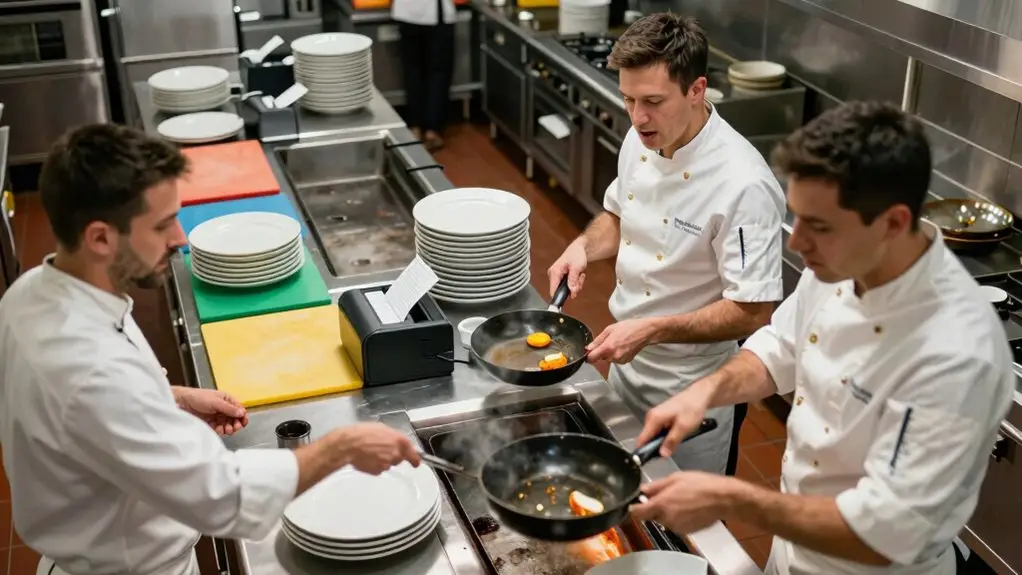
You’ve got your zones dialed in and your equipment humming, but here’s the thing: your kitchen can still grind to a halt when nobody knows who’s doing what.
When a simple “86 Brussels” somehow turns into three shouted conversations and a confused cook, it can create chaos.
Start by tracing one ticket from start to finish.
Spotting where it stalls or gets double-handled tells you if it’s a role problem or a communication breakdown.
Lock in one-person ownership rules so one cook owns the station, one voice decides changes, and one person calls pickup.
One cook. One station. One voice. One caller. That’s how you end the chaos of too many hands.
No more four people “helping” the same steak.
Run a tight pre-shift huddle covering menu changes and 86s, with one rush contact to field questions.
During service, use call-and-response: Expo calls, stations repeat, and nobody guesses.
These habits build an effective kitchen, cut wait times, reduce waste, and support consistent output.
Sustain Your Gains With Daily Workflow Checks
Here’s your daily defense:
- Run a 10-minute pre-shift check with par levels and today’s “rush window” so you’re ready before tickets explode.
- Follow one ticket from start to finish. Spot where it stalls, and log it with an owner—no blame, just facts.
- Wrap with a 5-minute debrief: one win, one bottleneck, one fix to try tomorrow.
- Train during slow windows using checklists. Keep pathways clear so the pass doesn’t become a storage shelf.
Clear communication locks in consistent output.
Final Thoughts
You’ve got the tools to spot those bottlenecks, remap your kitchen, and keep your team talking. Now it’s time to put them to work.
Start small, check your progress daily, and don’t sweat the hiccups. They’re just chances to get better. Before you know it, your kitchen will run like a dream, and you might even squeeze in a breather during the dinner rush.