The Best Fluffy Pancakes recipe you will fall in love with. Full of tips and tricks to help you make the best pancakes.


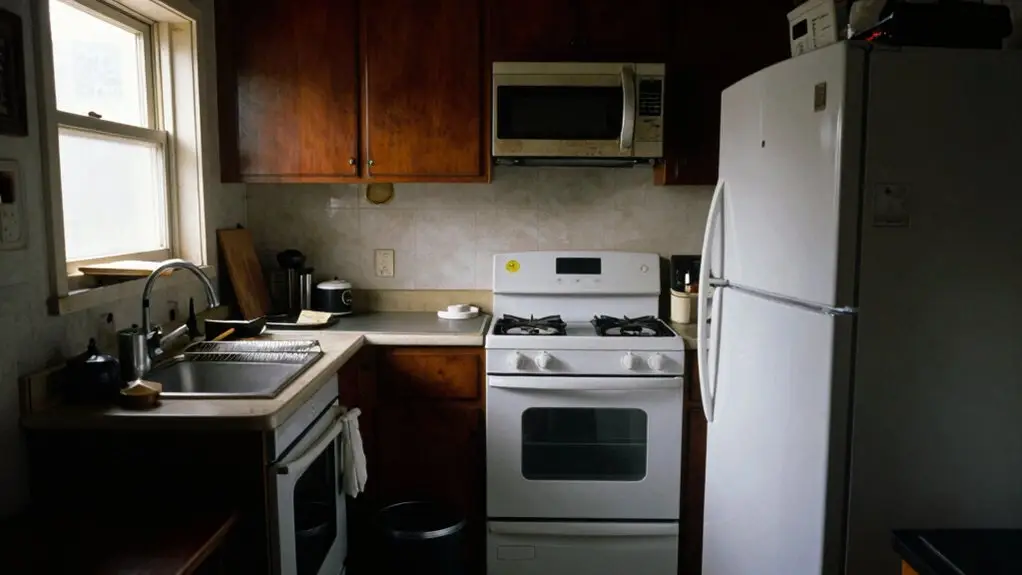
You’re probably fighting a kitchen that’s secretly sabotaging you. Heavy pans from low cabinets tax your back, while deep corner cabinets swallow your best cookware.
Add in a black hole. A missing prep zone turns counters into chaos, and awkward dish storage forces a draining cross-court shuffle. Dark cabinets hide the spices you need, burning your time.
Every step compounds fatigue before you’ve even started cooking. Stick around to fix them all.
Why Lifting Heavy Pans From Low Cupboards Drains Your Energy
Since you’re already bending deep to grab that cast-iron skillet, your back’s doing most of the work before you even start cooking. That’s bad kitchen design in action. Low cabinets force you to crouch and lift heavy cookware like it’s weightlifting, turning a simple grab into a struggle.
Deep, cavernous shelves don’t help either. You’re constantly pulling items forward, losing your balance, and repositioning stacks. That extra work turns a 30-second task into a multi-step effort, leaving you tired before the real cooking begins. Poor storage also makes heavy pans harder to grip at awkward angles, increasing fatigue and the chance of dropping them.
But you don’t need that headache. Switching to full-extension pull-out drawers lets pans glide out at waist level, reducing bending and reaching. It’s a small change that cuts the energy cost of every meal, making your kitchen work for you instead of against you. Storing pots by size and keeping lids stored separately in an upright organizer also reduces the time spent digging through stacked cookware before you even reach the pan you need.
The Dishwasher-to-Crockery Sprint That Wastes Your Time
Ever unloaded the dishwasher only to realize you’re sprinting across the kitchen with dripping plates? That extra walking adds frustration to every chore.
The real fix is all about where you stash your cabinets. You can stop the dry-floor-dash by placing custom storage right next to the dishwasher—no more awkward stretches or bottleneck door swings. In fact, dishwasher proximity to the sink is a core layout recommendation specifically designed to prevent hauling dirty dishes across the kitchen.
Extra Steps, Extra Frustration
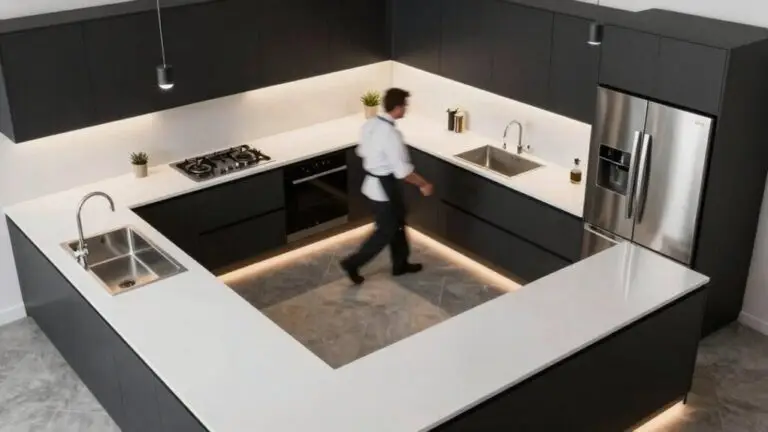
When you stash your dishes on the opposite side of the kitchen from your dishwasher, every unloading session turns into an exhausting cross-court dash. Those extra steps really add up. You’re dripping water across your kitchen, hunting for storage space in cramped cabinets, and fighting poor lighting that hides those last few plates.
In tight galley layouts, you end up carrying wet crockery to a high cabinet on the opposite wall. This adds frustration and wasted time.
This bottleneck means you’re constantly stopping, repositioning, and re-transporting items. The fix is simple: place everyday dishes in custom cabinets right next to your dishwasher, using pull-out shelves or drawer fronts.
This turns unloading into a short, straight movement with minimal spill risk—no more cross-court sprints for your morning coffee cup. For corner cabinets near your dishwasher, installing pull-out pantry systems can transform awkward dead zones into accessible crockery storage that keeps everything within arm’s reach.
Drip-Free Cabinet Placement
That cross-court dash from your dishwasher to your cabinets isn’t just annoying, it’s turning a quick chore into a wet, frustrating mess.
When your crockery isn’t within easy reach, you’re carrying dripping plates across the room, leaving water trails on your Counter Space and floor.
The Hidden Costs add up: extra time, re-drying glasses, and wiping counters.
Instead, design your work triangle so dish storage sits right next to the dishwasher.
A short, level path means you unload without steps or tight turns.
Plus, task lighting under cabinets helps you spot spots quickly, reducing fumbles.
You’ll stop sprinting with wet items and start enjoying a drip-free routine—saving your floors, your patience, and your morning coffee.
Leaving 36 to 48 inches of clearance around your island also prevents the dishwasher-door traffic jam that blocks your path when you’re trying to unload and move freely between appliances.
Custom Cabinetry Solutions
If your dishwasher is on one side of the kitchen and your everyday plates end up on the other, you’re stuck in a pointless sprint that leaves water everywhere. You don’t need that daily workout. Custom cabinetry solutions can end this soggy routine for good.
By placing cupboards for your go-to crockery right next to the dishwasher, you cut that useless walking time. Use drawer-and-basin landing zones to unload straight into storage, skipping drippy trips across the room. Built-in organizers keep glasses and utensils accessible, so you won’t waste minutes repositioning.
You’ll also maximize your use of space by turning awkward gaps into prep areas. Just don’t forget proper ventilation near those dishwasher bays. This isn’t about fancy design: it’s about making your kitchen work for you, not against you. When stocking those newly accessible cabinets, consider swapping out scratched plastic cutting boards for end-grain wood boards that self-heal with use and resist bacterial buildup between washes.
Nowhere to Set Hot Baking Trays Without Burning Yourself
Before you even realize it, you’re juggling a blazing-hot baking sheet straight from a 450°F oven, desperately looking for a safe spot to set it down mid-recipe.
Before you even realize it, you’re juggling a blazing-hot baking sheet, desperate for a safe spot.
That single overhead light casting shadows doesn’t help either; it’s one of the Common Kitchen Design Mistakes that makes you miss the only free corner.
Don’t panic yet. With careful planning, you can fix this.
Install heat-resistant worktops like stone right beside the oven, creating a dedicated hot landing zone.
Keep a clear 18–24 inches of counter space near the cooktop so you’re not playing hot potato across the kitchen.
Add accent lighting above that zone to see exactly where you’re setting that tray.
Don’t forget proper range hoods to pull heat away.
A fixed tray shelf or silicone mat prevents accidents with drapes or clutter.
If you’re placing a cooktop on a kitchen island, remember that limited prep area can make moving hot pans without a set-down surface genuinely dangerous mid-recipe.
Simple changes stop burns before they happen.
Awkward Rummaging for Pots, Pans, and Lost Lids
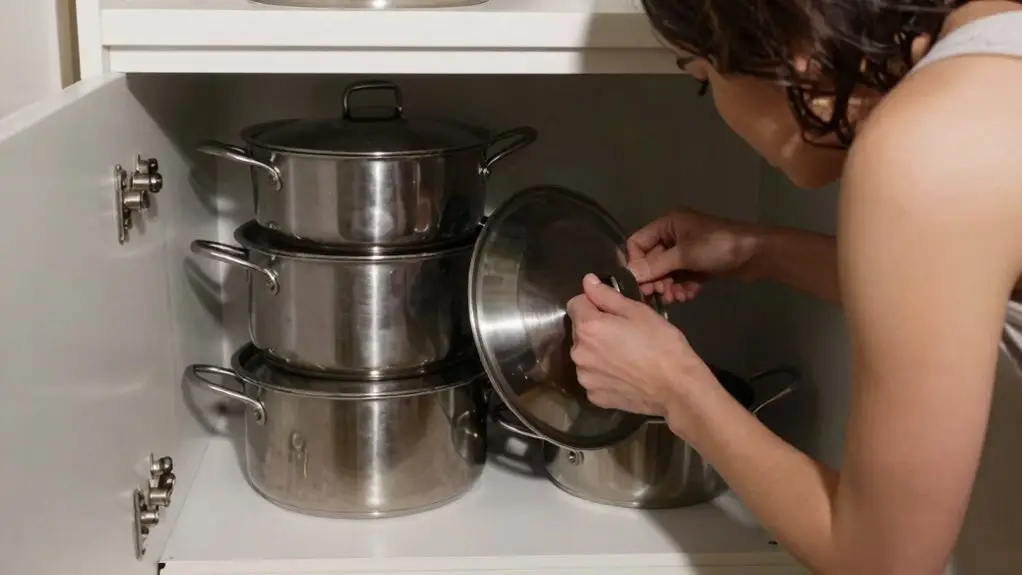
Now that you’ve carved out a safe spot for hot trays, there’s still the headache of hunting for the right pot or pan. Stacked saucepans with missing lids force you to lift heavy piles, turning dinner prep into an archaeological dig.
Wedged baking trays make even routine meals feel like a hassle.
You can fix these problems with smart vertical storage. Full-extension drawers with dividers let your frequently used pans slide out independently, so you grab the correct set without getting buried in clutter.
Tailor shelving to your cookware’s exact size—lid height and tray width matter.
This prevents jams and stops you from re-stacking things the wrong way.
Under-shelf racks hook onto existing shelves to keep pans, lids, and cutting boards visible and grab-ready without digging through cabinet chaos.
Don’t let awkward rummaging make cooking feel like a chore. A little design thought now saves you from that daily lid hunt later.
The Endless Spice Hunt That Slows Every Meal
While you’ve finally tamed the pot-and-lid hunt under control, another daily frustration waits in the wings: the endless spice hunt that can slow every meal to a crawl.
You pull open a dark cabinet, squint at identical jars, and dig through layers, wasting precious minutes.
To banish this chaos, consider a proper kitchen remodel that prioritizes visibility and logic.
- Install slim pull-outs or angled drawers. These turn a dark, cramped corner into a space that feels open, letting you spot every jar at a glance—no more leaning into black holes.
- Group spices by cooking frequency. Place daily necessities front and center. Backup seasonings go deeper. This simple trick slashes the open, check, close cycle.
- Add clear dividers inside pantry doors. Integrated racks keep jars visible at eye level. This instantly boosts your beautiful kitchen’s function without compromising on flooring materials or resale value.
Once your spices are physically organized, labeling each jar using sans-serif fonts like Arial or Helvetica ensures you can read them at a glance without pulling every container off the shelf.
Corner Cabinets That Swallow Everything You Own
You’ve finally stopped wrestling with pots and hunting for spices, but now corner cabinets are swallowing everything you own. Those deep, awkward spaces turn cookware and pantry goods into lost treasures. You shove a lid in and it vanishes behind a shelf lip, forcing a messy retrieval every time.
To fixings go missing.
To fixings go missing, your corner cabinets swallow everything you own—and that dead space eats your time.
Don’t let dead space ruin your workflow. You can create a space that works well by swapping standard shelves for a blind-corner pull-out or a lazy Susan. These bring items right up front when you need them, so you’re not pulling and dropping containers.
Add adjustable dividers too, and you’ll make sure your corner cabinets that swallow everything you own finally work well—and keep their order every time. No more reorganizing just to grab a pot. For even more reclaimed space, wall-mounted rail-and-hooks storage lets you hang pans where they are grabbed fastest, freeing up cabinet room that corner spaces can never efficiently provide.
Why No Prep Zone Turns Your Counters Into a Clutter Magnet
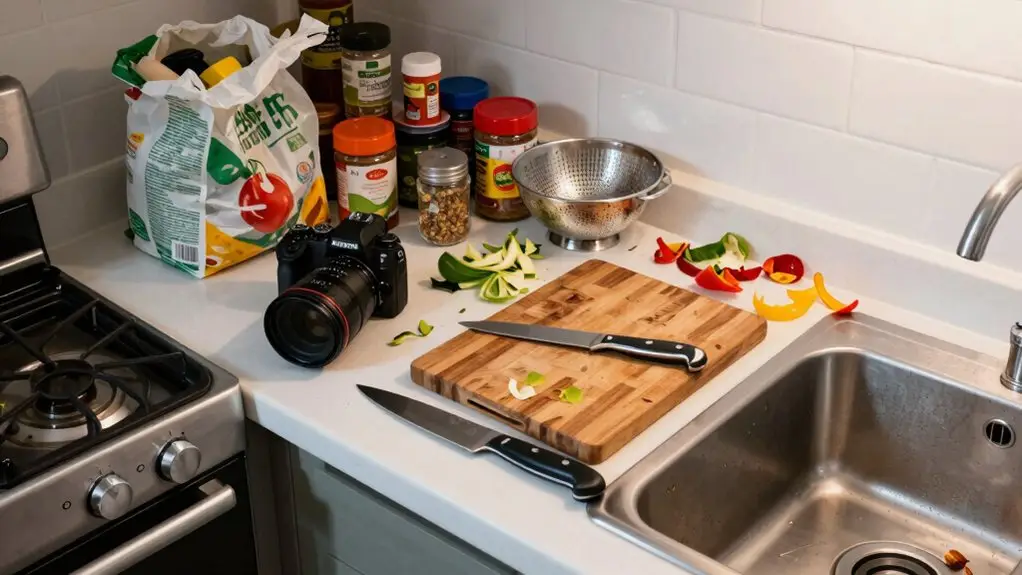
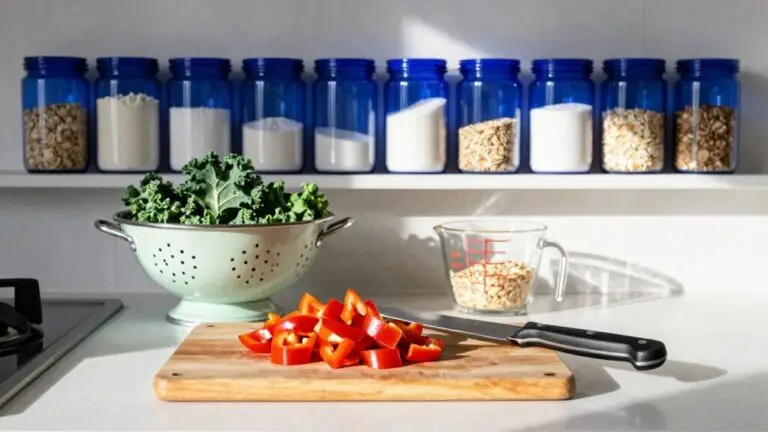
Without a dedicated prep zone, your kitchen counters turn into a clutter magnet right when you need them most. You’ll end up chopping veggies, mixing sauces, and staging ingredients all on the same surface, so things pile up fast. That “available space” becomes a dumping ground for half-used groceries, cutting boards, and hot pans from the stove.
You can’t escape the constant stop-and-clear clutter, where you pause cooking just to wipe up crumbs or re-stack utensils. This wrecks your kitchen work workflow, turning simple meal prep into a frustrating cleanup marathon.
To avoid this, a well-designed kitchen needs:
- A clear, continuous counter run just for prep, with nearby power for tools and decent lighting.
- A landing zone next to the sink and cooktop, so you never set dripping items where you’ll chop.
- Organized cabinet access, keeping spices and boards off the main counters.
Without a structured space to group ingredients by recipe step, you lose the organized momentum that keeps cooking moving efficiently and prevents mid-cook searching from adding unnecessary minutes to your meal.
Final Thoughts
So, don’t let your kitchen boss you around anymore. You’ve got better things to do than fight with low cabinets or hunt for that runaway lid.
Small tweaks—like moving your heavy pans to waist height or creating a landing zone for hot trays—can totally change the game. Your space should work for you, not against you.
Because when everything flows, you’re not cooking faster; you’re actually enjoying it.