The Best Fluffy Pancakes recipe you will fall in love with. Full of tips and tricks to help you make the best pancakes.


You can boost kitchen efficiency without a total overhaul. Start by mapping your layout to minimize cross-traffic. Then streamline your menu to cut prep time.
Pick equipment that handles repetitive tasks, and train your team on clear handoffs to prevent line stops. Use pre-shift huddles to keep everyone aligned. Track cycle time to fix bottlenecks early.
Build a workflow plan that reduces waste and keeps service seamless. Stick around for the full breakdown of each tip.
Map Your Kitchen Layout to Minimize Cross-Traffic
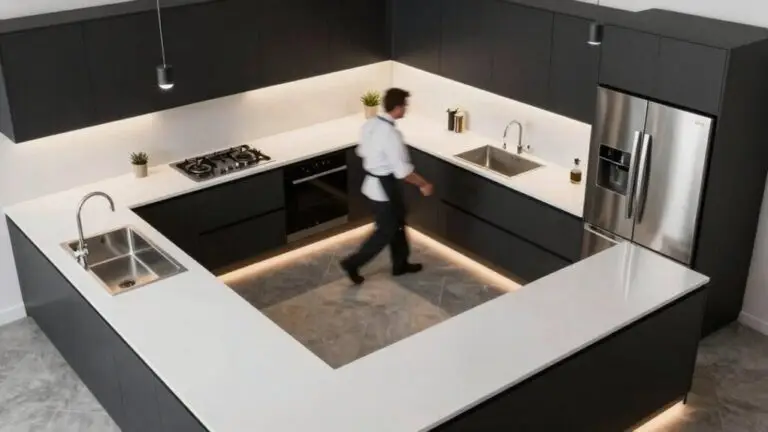
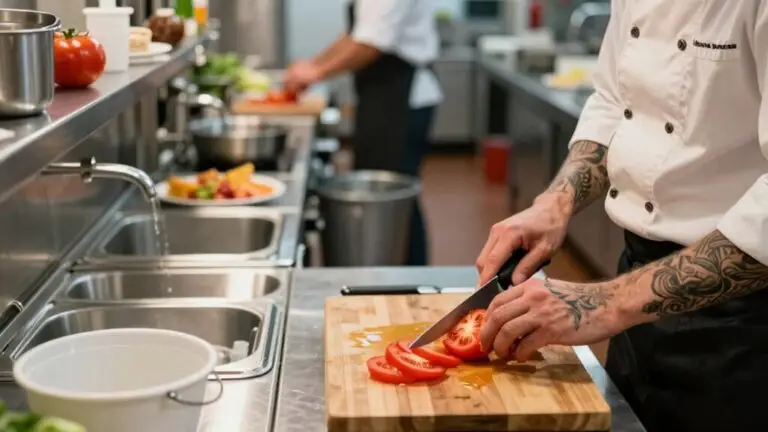
Since your kitchen staff is constantly on the move during a rush, the last thing you want is a traffic jam that slows down ticket times. That’s why mapping your restaurant kitchen layout is key to boosting kitchen workflow.
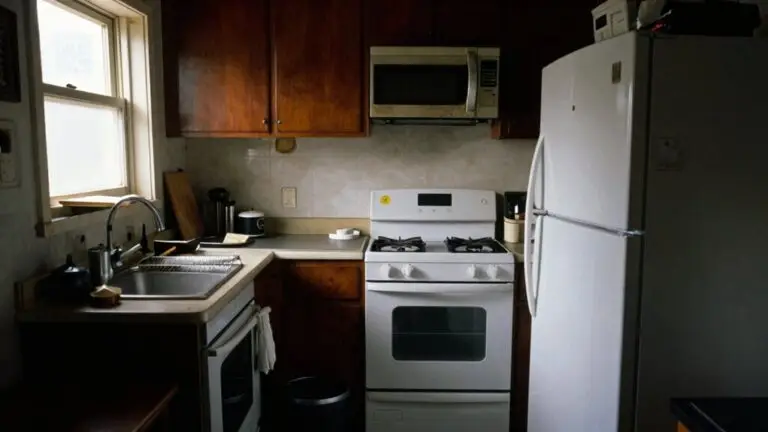
Start by dividing your space into clear zones for food prep, cooking, and storage. Keep the distance between workstations short, so staff doesn’t cross paths constantly. Think of it like a triangle: the stove, sink, and fridge should be close enough to make moves efficient. According to National Kitchen and Bath Association guidelines, each leg of the triangle should measure between 4 and 9 feet, with the total perimeter staying between 13 and 26 feet for optimal movement. When storage and prep areas sit right next to cooking stations, you eliminate common bottlenecks.
Watch your team during peak hours to spot where people bump into each other. Then shift equipment to reduce friction. A smart kitchen layout saves steps and keeps the rhythm seamless.
Streamline Your Menu to Cut Prep Time and Speed Workflow
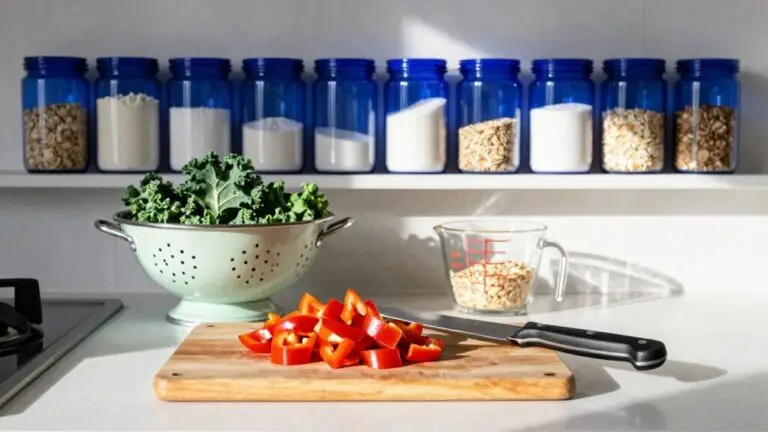
You can slash prep time fast by paring down your menu and overlapping key ingredients across dishes. Fewer unique items mean less chopping, fewer handoffs, and a more fluid line that keeps you moving instead of stuck in corrections.
Choose items that share bases or sauces. You’ll batch prep smarter, finish orders quicker, and avoid the dreaded rework pile-up. Specialized breading equipment like the AyrKing Breader Blender Sifter can reduce breading time by 80% while cutting ingredient costs, making streamlined menus even more efficient to execute at volume.
Reduce Menu Complexity
When your menu includes dozens of items, you’re basically asking your kitchen crew to juggle too many tasks at once. That slows everything down and invites mistakes. Reducing menu complexity transforms your restaurant operations.
Fewer menu items mean simpler food preparation, so your team can nail quality control every time. You’ll cut food waste dramatically because an optimized inventory system only stocks what you actually use. That streamlined order flows faster through your efficient kitchen, with your kitchen equipment never sitting idle waiting for random ingredients.
Suddenly, your crew isn’t scrambling; they’re executing. You get consistent speed and fewer errors, making your whole shift feel less chaotic. Plus, you avoid the trap of bloated menus that just increase prep variability.
Focus on doing less, better, and watch your throughput soar without burning out your staff. Applying a batch cooking strategy for core proteins and grains on slower days means your team spends less time on repetitive prep and more time executing orders with precision.
Overlap Key Ingredients
Reducing your menu complexity is a game-changer, and now it’s time to take that idea one step further.
You’ll want to overlap key ingredients so that prep covers multiple dishes without extra work. Choose one base sauce, one spice blend, or one veg mix, and share them across your menu. This keeps your prep list short and your line steady.
Use ingredient substitutions late, not early, to avoid separate batches and bottlenecks. Condensing your menu lowers quality variation and cuts the number of unique ingredients you need.
Map dishes to the same workflow steps, grouping those that share ingredients together. Your commercial kitchen benefits from smarter food storage and inventory management.
Just as a well-designed kitchen aligns prep, cooking, and cleaning into dedicated workflow zones, your ingredient overlap strategy should mirror that same logic by keeping related tasks clustered together.
Finally, pair this with equipment that removes repetitive tasks, like a mechanized breader, so you use equipment properly and boost efficiency. That’s how you serve plates faster without breaking a sweat.
Select Equipment That Fits Your Menu and Reduces Repetitive Tasks
The right equipment can make or break your kitchen’s flow, so start by zeroing in on tools that match your menu and tackle the most repetitive tasks head-on. In the foodservice industry, a single piece of equipment can help streamline your entire operation.
For example, if breading is a big part of your menu, a commercial breader blender sifter can cut hand-sifting time by up to 80%. That’s a serious time-saver during peak service. You’ll also cut ingredient costs by up to 40% by reducing waste and improving consistency.
When you pick kitchen equipment that’s easy to maintain and reliable, you avoid costly downtime. So, choose tools that fit your restaurant’s unique needs and reduce labor-heavy tasks. Your team will thank you, and your bottom line will show it. When selecting cooking appliances, prioritize models with PFAS-free and PTFE-free labeling to protect your kitchen staff from potentially harmful fumes released during high-heat operation.
Train Staff on Workflow Procedures to Reduce Line Stops
Training your team on workflow procedures is your secret weapon for keeping line stops at bay. Solid staff training starts with line checklists that align everyone on menu changes and food safety protocols—no more missed updates causing chaos.
Boost communication between kitchen stations and back-of-house staff so issues get caught before they escalate. Teach your crew to spot equipment trouble early.
Proactive maintenance means fewer surprises during rushes. Regular meetings reinforce these habits, helping you reduce waste and cut rework.
For example, a well-designed kitchen layout maintains 48-inch walkway clearance around islands and along aisles so multiple staff members can move simultaneously without collisions during peak service.
Think of it as giving your team a roadmap, fewer wrong turns, faster tickets. When every cook knows the drill, you’ll hit your stride and keep those line stops in the rearview.
Use Pre-Shift Huddles to Keep Everyone Aligned on Workflow Changes

2. Reinforce ticket-to-plate targets****—use a checklist to cut rework and speed orders.
3. Assign one owner for today’s top bottleneck, like a shared station, so the plan’s clear before peak volume.
4. Tighten timing around shifts. Clear alignment means no troubleshooting pauses.
5. Zone responsibilities during huddles by matching each team member to a distinct prep, cooking, or cleanup area, since dedicated workflow zones reduce crossover friction and keep simultaneous tasks moving without interference.
With manage labor pressures rising, huddles help you compensate by keeping everyone executing the same workflow under pressure. It’s quick, it’s clear, and it keeps your line humming.
Track Cycle Time and Fix Bottlenecks Before They Slow Service
Since your line’s already aligned from your huddle, it’s time to measure what actually happens when the rush hits: tracking cycle time from ticket to plate. Break that ticket-to-plate speed into a station breakdown so you spot exactly where a prep or cook step slows everything down.
Run a quick bottleneck audit daily, focusing on those shared resources or handoffs where plates just wait. These daily audits give you real-time updates, letting you shift people or equipment before tickets pile up.
That direct attention to efficiency and profitability means you shorten cycle time without adding labor costs—a lifesaver when seven out of ten operators are short-staffed.
You’ll also be minimizing waste by catching needless waits early. Keep your handoff points standardized, and watch your speed to serve climb without the strain. Applying the same logic to your physical setup, positioning equipment so that work triangle clearances stay obstacle-free can prevent the congestion that turns a manageable rush into a breakdown.
Build a Workflow Plan That Eliminates Bottlenecks and Reduces Waste
You’ll start by mapping every menu item to its step sequence through prep and execution, so stations and equipment get used exactly when they’re needed without fighting over shared resources.
Then connect those steps by drawing clear zone connections: receiving, prep, cook, clean, plating. This ensures ingredients and tools flow effortlessly instead of creating crisscrossing traffic jams during peak hours.
This upfront planning cuts travel time and shared-resource contention, turning your kitchen into a well-oiled machine that wastes less effort and delivers plates faster. Anchoring your layout around the sink, stove, and refrigerator keeps each point within four to nine feet of the next, so cooks travel the shortest possible path between the three most-used stations.
Map Menu Steps
Before you even touch a pan, you can save hours of chaos just by mapping out your menu’s steps from prep to plate.
Breaking down your menu offerings into a clear prep → cook → plate flow reveals exactly where your staff spends too much time or where bottlenecks choke the overall kitchen.
Start by building menu-to-station alignment—match each dish’s steps to a specific station so no one’s crossing paths or fighting for the same pot. Then:
- Time every step: prep time and execution time to spot delays before they happen.
- Simplify variability: swap overlapping ingredients and cut repetitive steps with labor-saving tools.
- Map activity zones: keep prep, cooking, and washing areas separate but connected.
- Schedule regular audits: update your workflow plan and maintenance schedule for a well-organized kitchen.
Small changes here? They add up fast. In fact, skipping organized prep can add 20–40% slower transitions between steps, turning a smooth service into a stop-and-go grind that costs you time across every dish on the menu.
Plan Zone Connections
With your menu steps already mapped out, it’s time to make the physical space work for you instead of against you. Start by setting up zones based on that plan, like prep, cooking, and plating.
You’ll want strong zone connectivity, so the frequently used tools and ingredients sit within easy access of the station where you need them.
Think of the stove, sink, and fridge as a triangle—keep them close, and you won’t waste steps. This isn’t just about speed; it’s about a calmer working environment that lets staff move in logical flows, not chaotic zigzags.
Use optimization strategies like placing high-turn items next to prep, and hold open communication with your crew during a quick audit. You’ll find those bottlenecks vanish, and waste shrinks fast.
Final Thoughts
So, you’ve got a kitchen roadmap now, and it’s time to put it to work. Don’t let those bottlenecks bully you. Track your cycle time and fix the pain points before they slow you down.
Train your team, run those pre-shift huddles, and watch the flow improve. You’ll save time, cut waste, and maybe even have a second to breathe. That’s a win, right?