The Best Fluffy Pancakes recipe you will fall in love with. Full of tips and tricks to help you make the best pancakes.


You’re zig-zagging between stations, adding extra seconds to every chop and plate. That compounds into lost hours by the end of service. Your prep-to-pass flow likely causes head-bumping and timing slips too, making meals arrive at different times.
Plus, poor ventilation turns your kitchen into a sauna, and warewashing bottlenecks force you to wait for clean pans. These issues quietly drain speed and profit. Stick around to see the smart fixes.
3 Kitchen Layout Mistakes That Quietly Kill Your Speed
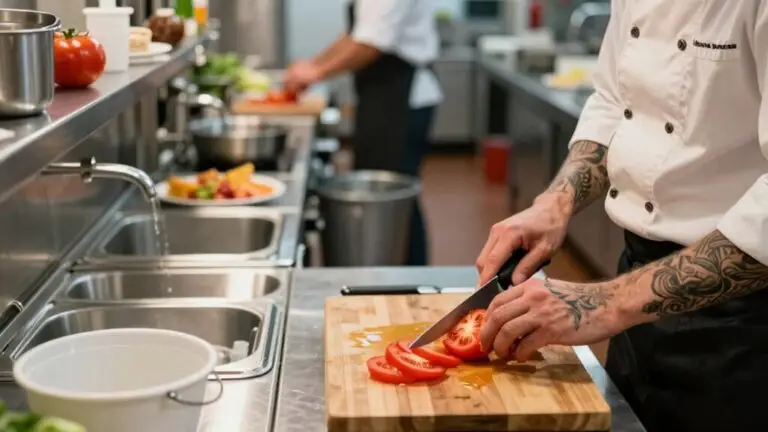
Since your kitchen layout forces you to zig-zag between stations just to grab a spatula, you’re adding seconds to every move, and those seconds pile up fast. That’s the first mistake: creating reach-heavy layouts. You place gear and ingredients inconveniently, forcing extra steps between chop, cook, and plate. This turns simple workflows into repeated micro-movements that slow the whole line.
Second, you let your prep-to-pass flow zig-zag. Frequent head-bumping or crossing traffic causes timing slips that compound across service. Suddenly, meals arrive minutes apart, messing up your entire service flow.
Third, you ignore bottlenecks before they appear. When one station lacks immediate tool access, staff pause to hunt mid-task. That creates “work drag,” inflating paid labor hours without boosting output.
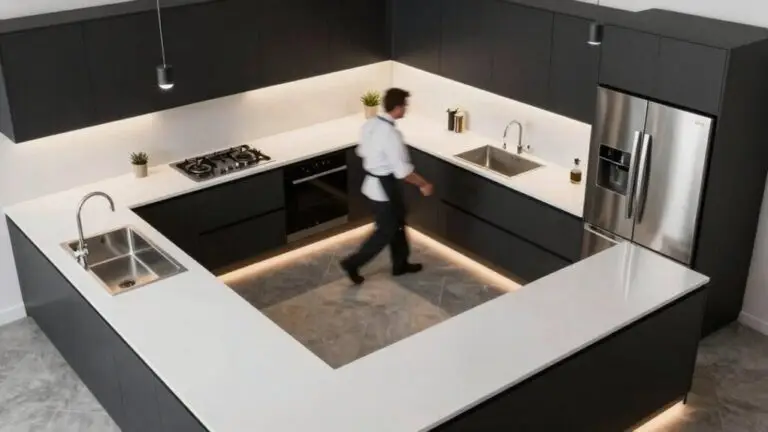
The result? Unnecessary food waste builds quietly over weeks, draining your profit. A well-planned layout keeps your refrigerator, sink, and stove within 4–9 feet of each other, cutting wasted movement before it compounds. Fix these, and you’ll reclaim lost speed.
How Ventilation and Warewashing Gaps Drain Your Profit
While poor ventilation slowly turns your kitchen into a sauna, your staff’s pace drops, and equipment gets sluggish: hardly the recipe for speed. Those Hidden Costs stack up when mismatched hoods fail to capture grease or steam, forcing your AC to overwork. That’s money going up in smoke.
Then there’s the dishroom. Warewashing bottlenecks mean you’re constantly waiting for clean plates, yanking cooks off prep to hunt down a missing bowl. You lose momentum and quality. That’s a direct drain on your profit.
Investing in high quality ventilation matched to your cooking load—Type I for grease, Type II for steam—stops the heat. A MEIKO rack conveyor keeps dishes flowing so your restaurant kitchen never stalls. Fix these gaps, and your bottom line breathes easier. The same logic applies to your overall layout: positioning your sink, stove, and refrigerator so that each triangle leg measures between 4 and 9 feet cuts wasted steps and keeps your crew moving with less fatigue.
Kitchen Workflow Fixes: Smarter Equipment and Standardized Layouts
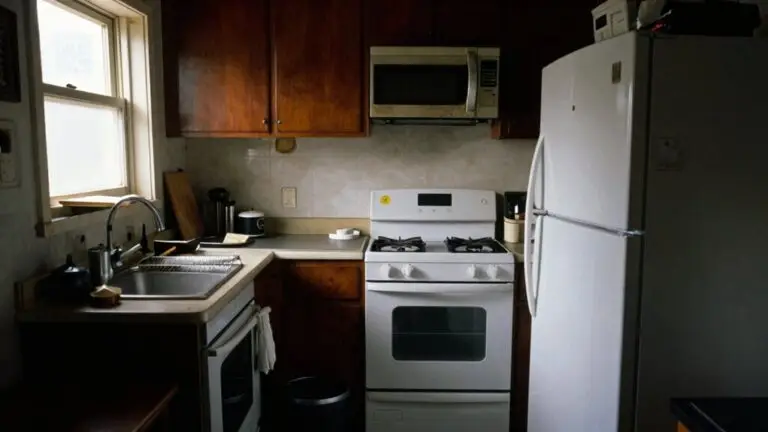
When your kitchen’s layout and equipment don’t work together, you’re basically asking your team to run a maze every shift. A smart layout creates a logical prep → cooking → plating flow, so no one’s zigzagging for a poorly placed pan.
Upgrade to correctly sized, high-quality gear; old equipment turns key tasks into gambling, and a poor kitchen quickly falls behind. But that’s not enough. You need standard operating procedures that map every step ahead of time, cutting surprise errors and helping routines speed up easily.
Don’t forget continuous systems like a Meiko rack conveyor for warewashing, so dishroom backlogs won’t steal your line cooks. When ventilation, warewashing, and waste handling work as one integrated workflow, small interruptions don’t compound into slow service. Proper equipment placement, such as positioning undercounter refrigeration within reach of prep surfaces, keeps cooks in their zone instead of chasing ingredients across the kitchen.
All rights reserved.
Final Thoughts
So, don’t let a clumsy kitchen drain your drive. You’ve got the menu down, but those tiny workflow hiccups? They’re eating your profit. Fixing your layout, tackling ventilation, and upgrading warewashing isn’t just smart, it’s survival.
Sure, it’s a project, but a more seamless, faster kitchen means less stress and more cash. You deserve a space that works with you, not against you. Time to roll up your sleeves.