The Best Fluffy Pancakes recipe you will fall in love with. Full of tips and tricks to help you make the best pancakes.



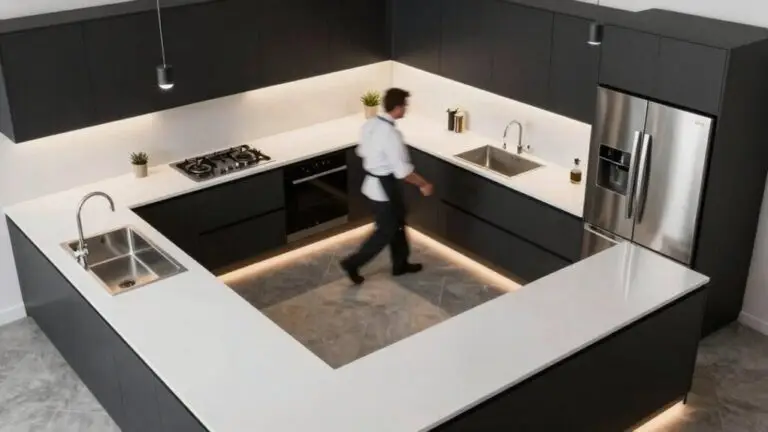
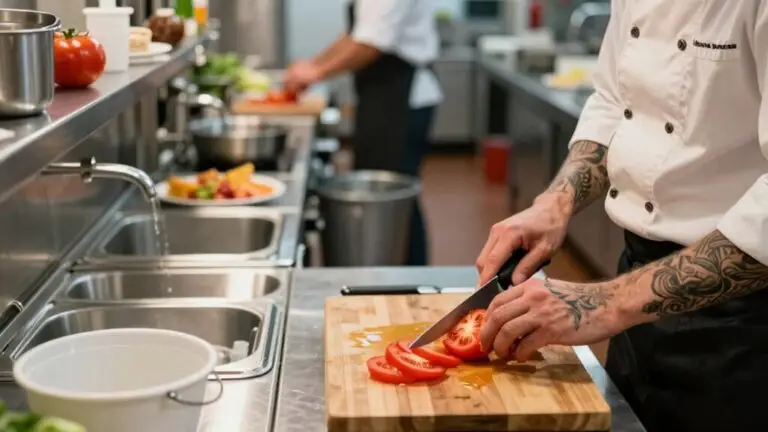
Your kitchen workflow doesn’t have to be chaos. These three checklists—opening, mid-shift, and closing—keep you on track. Start by sanitizing surfaces, verifying temps, and setting up labeled stations to cut decision fatigue.
Mid-shift, monitor stock and log temperatures using FIFO rotation to catch problems early. Then, at closing, deep clean high-risk zones and secure leftovers. Each step prevents messes later, letting you serve safely and steadily.
Stick around to see how each one works in detail.
Opening Checklist: Prep Stations, Sanitize, and Verify Temperatures
Before you even think about cooking, you’ve got to check your temps, stock your stations, and get everything sanitized. Grab that kitchen opening checklist—it’s your best friend for hitting food safety standards right out of the gate.
First, verify your prep stations have properly dated ingredients and clean tools.
First, make sure prep stations have properly dated ingredients and clean tools.
Then record fridge and freezer temps on your temperature logs. Don’t skip sanitizing high-touch surfaces like slicers and handles; use the right concentration per your SOP.
You also need to confirm raw and cooked separation by station layout and container color—no shortcuts allowed.
Run through staff safety checks: check that thermometers, gloves, and hairnets are ready.
Proper food storage setup now prevents chaos later.
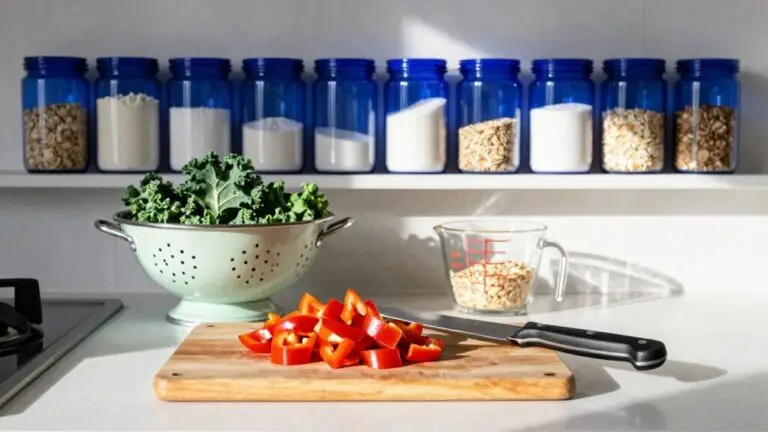
Applying a labeled container system for prepped ingredients—similar to batch cooking methods used in busy home kitchens—can dramatically reduce prep time and decision fatigue during peak service hours.
These checklists for kitchen operations keep your operations management effortless and your crew safe.
Mid-Shift Checklists: Monitor Stock, Log Temperatures, and Rotate Stations
Once you’ve got your opening duties handled, it’s time to shift gears and keep everything running effortlessly with mid-shift checklists. These tools are your secret weapon for food safety and seamless service.
First, check your food inventory against pars; flag low items early so you’re never scrambling.
Log refrigerator and holding temperatures on your temperature logs, noting time stamps to catch drift before it becomes a problem.
Rotate stations using FIFO rotation.
Confirm prep dates and labeling so older product gets used first.
Monitor holding controls, making sure everything stays in safe ranges and thermometers are clean.
If something’s off, document your corrective actions—like discarding out-of-range food or re-sanitizing—so your kitchen closing checklist inherits accurate status.
Always store raw proteins on the bottom shelf to prevent drips from contaminating ready-to-eat foods stored below or nearby.
Stick to these SOPs, and you’ll stay ahead of any mid-shift chaos.
Closing Blueprint: Deep Clean, Label Storage, and Secure the Kitchen
As the mid-shift rush fades, it’s time to flip the script with your closing blueprint. Your kitchen checklist now shifts to a deep clean of high-risk zones, slicers, cutting boards, and refrigeration shelves.
This isn’t just about looks; it’s food safety.
After scrubbing, tackle label and date storage on all leftovers, tossing anything without proper records.
Don’t forget cold-holding compliance; verify temps and log them before locking up.
Next, separate chemicals from food and bag all waste to keep pests away.
Your closing checklists also demand security: lock storage areas, check entry points, and sign off.
That’s the core of inventory management and sanitation.
A secure kitchen means you’re done right. For refrigeration shelves specifically, wipe interior surfaces using a baking soda and water solution mixed at one tablespoon per quart of warm water to neutralize odors and avoid leaving harmful chemical residue near food.
Final Thoughts
So, you’ve got your checklists dialed in: opening, mid-shift, and closing. That’s the secret sauce to a steady kitchen. No more scrambling or second-guessing. Just steady flow, clean stations, and temps you can trust.
Sure, it takes a little discipline, but hey, you’re already doing the hard part. Now you get to breeze through service, lock it up tight, and head home without that “did I forget to label that?” nagging feeling. You’ve got this.