The Best Fluffy Pancakes recipe you will fall in love with. Full of tips and tricks to help you make the best pancakes.


You can boost your kitchen’s efficiency without overhauling everything. Start by mapping your workflow to spot bottlenecks like prep delays or staff crisscrossing. Fix those first with better handoffs and pre-shift huddles.
Place equipment in a logical sequence: prep, cook, plate—to cut wasted steps. Lock in gains with simple SOPs new hires can learn fast. Simplify your menu to reduce clutter and rework.
Stick around for more practical fixes that actually work.
Map Your Kitchen Workflow to Find Hidden Bottlenecks

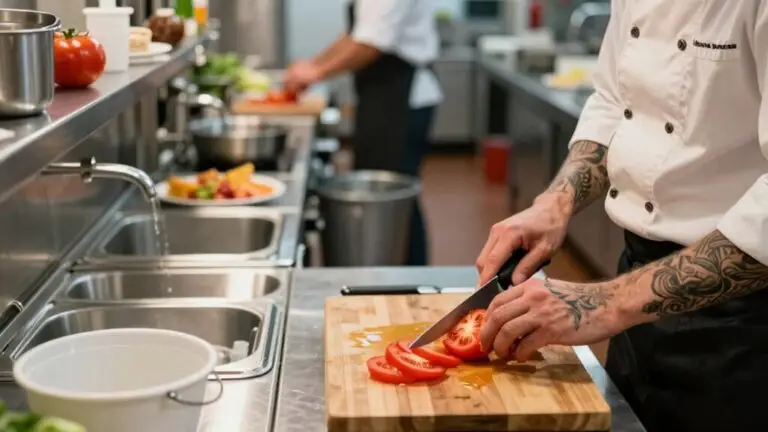
Since you can’t fix what you fix a kitchen run itself by just hoping for the best, mapping your workflow is your first real chance to see where orders actually stall. Start by doing a “ticket-to-plate” flow check, timing each step through food preparation and watching your back-of-house staff move during peak periods. That’s where you’ll spot common bottlenecks like congestion or crisscross traffic from poor kitchen layout.
Since you can’t fix a kitchen by hoping for the best, map your workflow to see where orders stall.
Re-map your zones by activity—prep, cooking, washing, storage—to clarify handoffs and reduce friction. Pay attention to contention points, like shared prep space or overlapping equipment use, and stagger those steps.
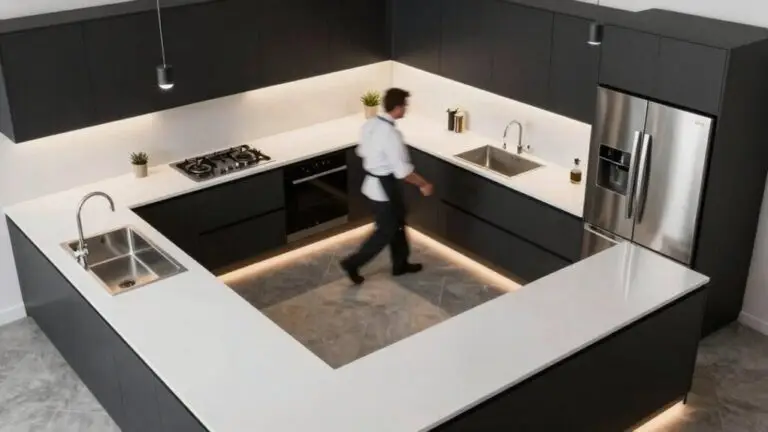
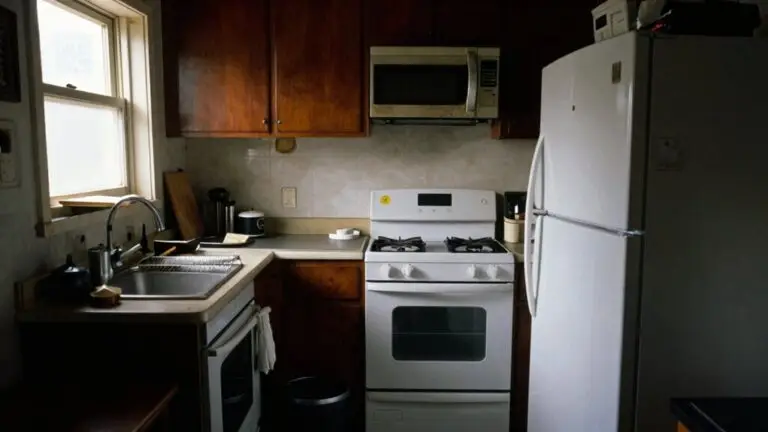
Finally, measure distances between fridge, prep, and cooking stations to cut extra travel. Keeping the sink and stove in direct proximity reduces unnecessary movement, and applying work triangle logic ensures your sink, stove, and fridge each stay roughly 4–9 feet apart for efficient patterns.
After changes, track throughput and error rates to confirm seamless workflow and inventory management align.
Fix These Three Bottlenecks First: Prep, Handoffs, and Congestion
You’ll almost always hit the same three bottlenecks first: prep, handoffs, and congestion, and fixing them can transform your kitchen’s flow. Tackle the prep bottleneck with labor-saving gear, like a breader blender sifter that cuts hand-sifting time by up to 80%.
Combine that with pre-shift huddles to align your kitchen staff on menu changes, slashing mistakes and rework. That’s real kitchen efficiency.
Next, the handoff bottleneck kills speed. Improve communication between kitchen stations by using POS/KDS integration for real-time updates on changes. No more lost tickets causing wrong plates or delays. You’ll reduce waste and cut labor costs by stopping rework.
Finally, the congestion bottleneck: zone your storage and prep areas, cleaning, and cooking separately. Place frequently used items within easy reach to stop station contention. Keeping tools and ingredients within arms reach prevents mid-recipe interruptions that cascade into delays across every station.
With 7 out of 10 operators understaffed, smart spacing keeps you moving without the chaos. Your line will thank you.
Place Equipment to Cut Steps and Reduce Cross-Traffic
Four smart equipment placements can cut steps and reduce cross-traffic in your kitchen, and they’re simpler than you think.
First, arrange your kitchen equipment in a logical sequence—prep, cook, plate, clean. This keeps staff from crossing paths, so your team isn’t constantly stepping over each other’s path.
Next, apply the “kitchen triangle” by keeping your stove, sink, and fridge within easy reach. It’ll shrink the distance between workstations and speed up ticket-to-plate flow.
Then, place frequently used tools and ingredients right at each station. For example, keep food storage for your menu items near the prep line, so no one’s sprinting mid-rush.
Finally, separate your dishwashing zone from food-prep traffic to avoid bottlenecks. Pair your refrigerator with ovens to save steps. Power your inventory system to track what’s needed, and you’ll turn an efficient kitchen into a well-run restaurant kitchen. To maintain optimal flow, each leg of your work triangle should measure between four and nine feet to avoid wasted steps from over-spacing or cramped compression.
Lock in Workflow Gains With SOPS That New Hires Learn Fast

Once you’ve cut steps and reduced cross-traffic, it’s time to lock in those gains with SOPs that even fresh-faced new hires can pick up and will follow fast. In your commercial kitchen, create simple station-by-station checklists—prep, cook, plate, hold, wash—so every staff member follows the same workflow. This boosts efficiency and reduces mistakes.
Document key peak-hour steps like pre-shift huddles and menu-change callouts to prevent line stops. Require SOP-based staff training that covers equipment basics, showing them what “normal” sounds like so they spot problems early.
Use standardized washing SOPs with shift checklists for food safety and quality control. Pair these with real-time order flow training so new hires use communication tools from day one. This tightens restaurant operations and helps you make consistent, high-quality ingredients fast. For storage areas adjacent to cooking stations, include pull-out shelf placement in your SOPs so staff always return oils, spatulas, and frequently used tools to designated spots without breaking workflow rhythm.
Simplify Your Menu to Shrink Prep Time and Station Clutter
Now that you’ve locked in those SOPs and trained your team to follow them, let’s talk about something that can supercharge your efficiency before a new hire even walks in: simplifying your menu. You can dramatically shrink prep time and station clutter by cutting menu offerings down to the must-haves. A leaner list means fewer tools and ingredients cluttering your station, less food waste, and faster execution during rushes.
Plus, you can reuse ingredients across dishes—think overlapping sauces or garnishes—so you’re not prepping fewer items without sacrificing variety. This also reduces quality variability, keeping your line consistent and orders moving faster.
Simplify your menu, and you’ll organize your overall kitchen more effectively.
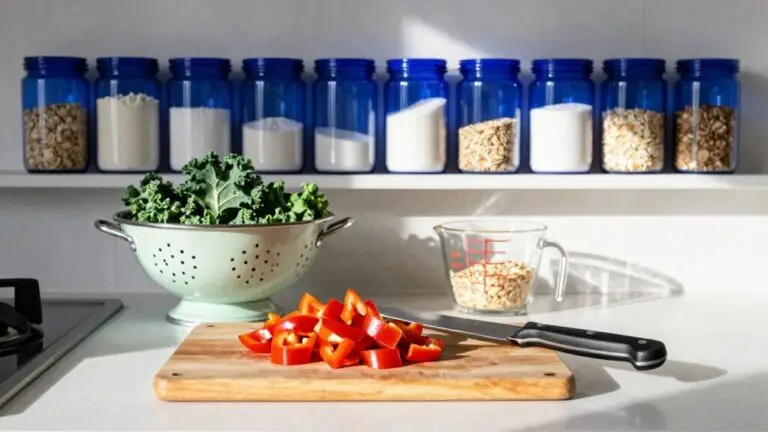
Match remaining dishes to your current tools and ingredients, and you won’t be scrambling for exotic items mid-shift. This is how you streamline order outpaces chaos in today’s foodservice industry. The same logic applies to home cooking, where leaning on pantry staples and one-pan methods can produce satisfying, full meals with minimal prep and cleanup.
Final Thoughts
So, you’ve got the blueprint for a smoother kitchen. Now, don’t just read this and walk away. Pick one bottleneck, like that chaotic handoff between the grill and expo, and fix it this week. You’ll feel the difference fast.
Remember, a little planning beats a lot of running around. Your crew will thank you, and honestly, so will your back. Now get in there and make your workflow work for you.