The Best Fluffy Pancakes recipe you will fall in love with. Full of tips and tricks to help you make the best pancakes.


You’ve got three kitchen checklists that’ll tame the chaos: a daily operations checklist covers food inventory, cleaning, and temperature logs so nothing slips through. An opening prep checklist gets your line stocked and mise en place ready, with cutting boards separated for safety.
A closing walkthrough handles equipment shutdown, sanitizing every surface, and verifying temps. Each one builds accountability with signed task completion. Stick around, and you’ll see exactly how to set them up.
What a Kitchen Operations Checklist Covers and Why You Need One
Since you’ve got a full kitchen shift ahead, that checklist becomes your best friend. It’s not just busywork but a step-by-step guide to keep things running smoothly and safely.
Your kitchen operations checklist covers everything from food inventory to kitchen cleaning, ensuring you meet food safety standards every day.
It forces you to perform those crucial safety checks, verifying temps and prep surfaces before service begins.
Without it, daily operations get chaotic, and you risk missing something important.
Signing off on each task during opening and closing builds accountability, creating a paper trail for audits.
Using checklists for kitchen tasks helps you maintain food safety by flagging recurring issues, like incomplete temperature logs.
When you nail checklist completion, you’re not just crossing items off; you’re protecting your crew and your customers.
Just as a well-run kitchen remodel relies on milestone-based payment schedules to keep contractors accountable and work progressing on time, your operations checklist enforces the same structured accountability across every shift.
Kitchen Operations Checklist: Opening Prep, Temperature Checks, and Line Setup
Before the first ticket even prints, you’ve got a window of calm to set the stage for an effortless shift. Your kitchen opening checklist is your roadmap to a smooth restaurant opening.
Your kitchen opening checklist is your roadmap to a smooth restaurant opening.
Temperature checks are non-negotiable. Grab your calibrated thermometer and record fridge/freezer temps. If cold-holding units must keep food safe, there are no shortcuts here. Document each reading on your kitchen operations checklist for staff adherence and auditable records.
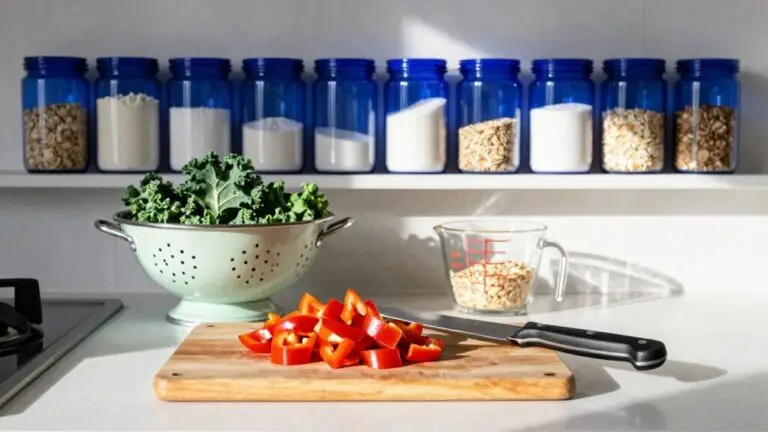
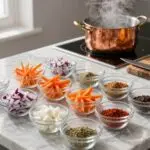
Line stations demand mise en place readiness. Stock portioned ingredients, labeled prep containers with date/time, and staged pans. This fuels kitchen efficiency during rush, preventing frantic searches.
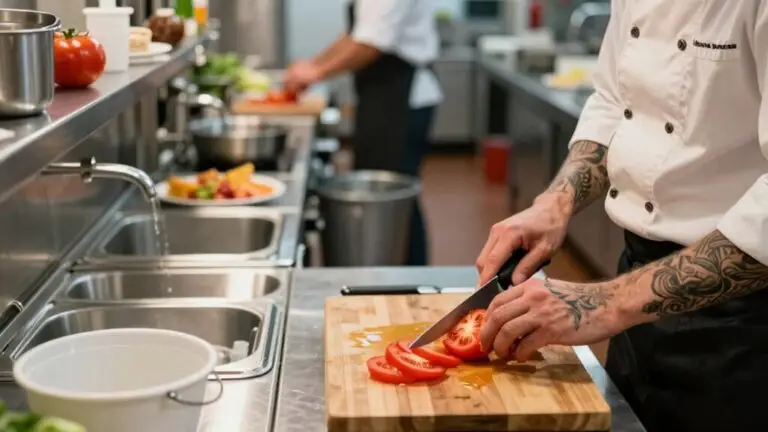
Food storage hygiene matters. Inspect handwashing supplies, gloves, hairnets, and confirm clear raw-to-cooked separation on cutting boards. A tidy, organized Food storage prevents cross-contamination.
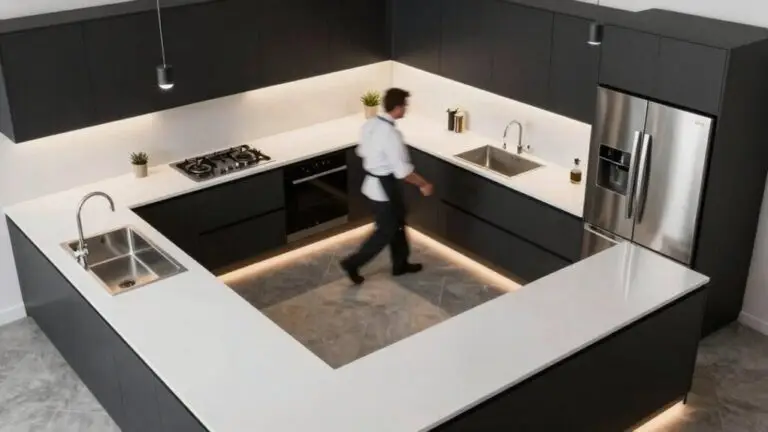
Complete this walkthrough before the first ticket, and you’ll breeze through the rush with confidence. If your kitchen includes an island workspace, cooking aisle clearance of at least 42 inches for a solo chef—or 48 inches when two people share the space—keeps prep flow unobstructed during busy service.
Kitchen Operations Checklist: Closing Walkthrough for Equipment Shutdown and Compliance
When the last ticket prints, it’s tempting to bolt out the door. However, a solid closing walkthrough keeps your kitchen safe and ready for tomorrow. Grab your kitchen closing checklist and tackle equipment shutdown: turn off hot-holding and cold-holding units, recording final temps for compliance.
Don’t skip sanitizing all food-contact surfaces—prep tables, slicers, cutting boards—then let them air-dry. Practice smart inventory management by tossing expired time/temperature-controlled foods and covering leftovers using FIFO storage.
Perform a final compliance sweep: check handwashing stations, mop floors, and haul out trash. Log any faults for next-shift repair. Before signing off, verify that any probe thermometers used during service were calibrated using the ice bath method to ensure temperature readings remained accurate throughout the shift. This closing walkthrough isn’t busywork, it’s operations management that protects food safety and sets you up for a more seamless tomorrow.
Final Thoughts
So, you’ve got the checklists and a easier kitchen in sight. Don’t overthink it—start using them tomorrow. They’ll cut the chaos, save you from a nasty health code surprise, and get your team home on time.
Plus, you can stop playing “where’s that greasy spatula?” every morning. Trust me, your future self (and your dish pit) will thank you. Now go rock that line.