
The Best Fluffy Pancakes recipe you will fall in love with. Full of tips and tricks to help you make the best pancakes.


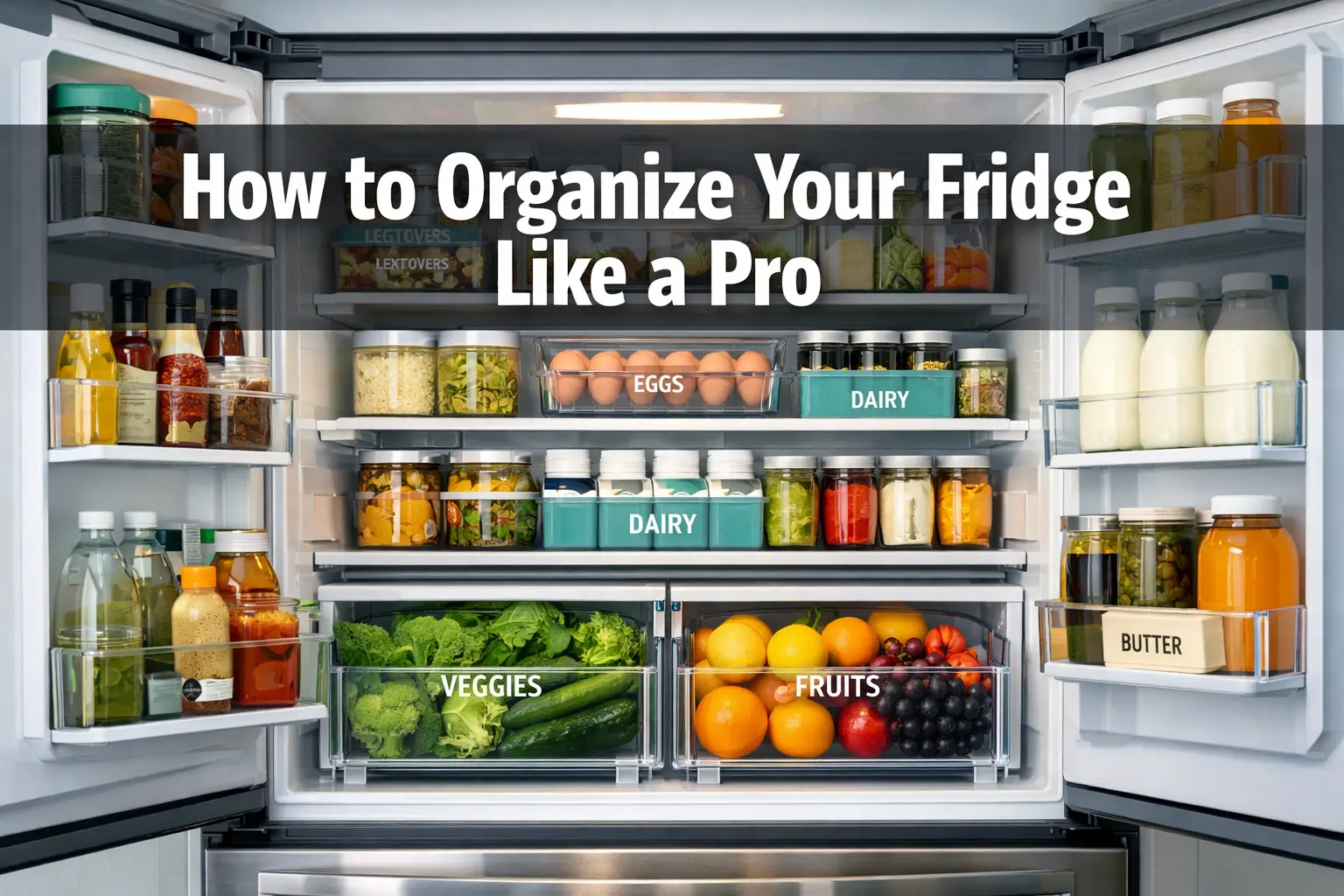
Quick Answer: Organizing your fridge like a pro means assigning every food type to a specific zone based on temperature, safety, and how often you use it. Start by clearing everything out, then work zone by zone — upper shelves, lower shelves, drawers, and door — placing foods where they stay freshest and are easiest to grab. It takes about 30 minutes and makes a real difference to everyday cooking.
Key Takeaways
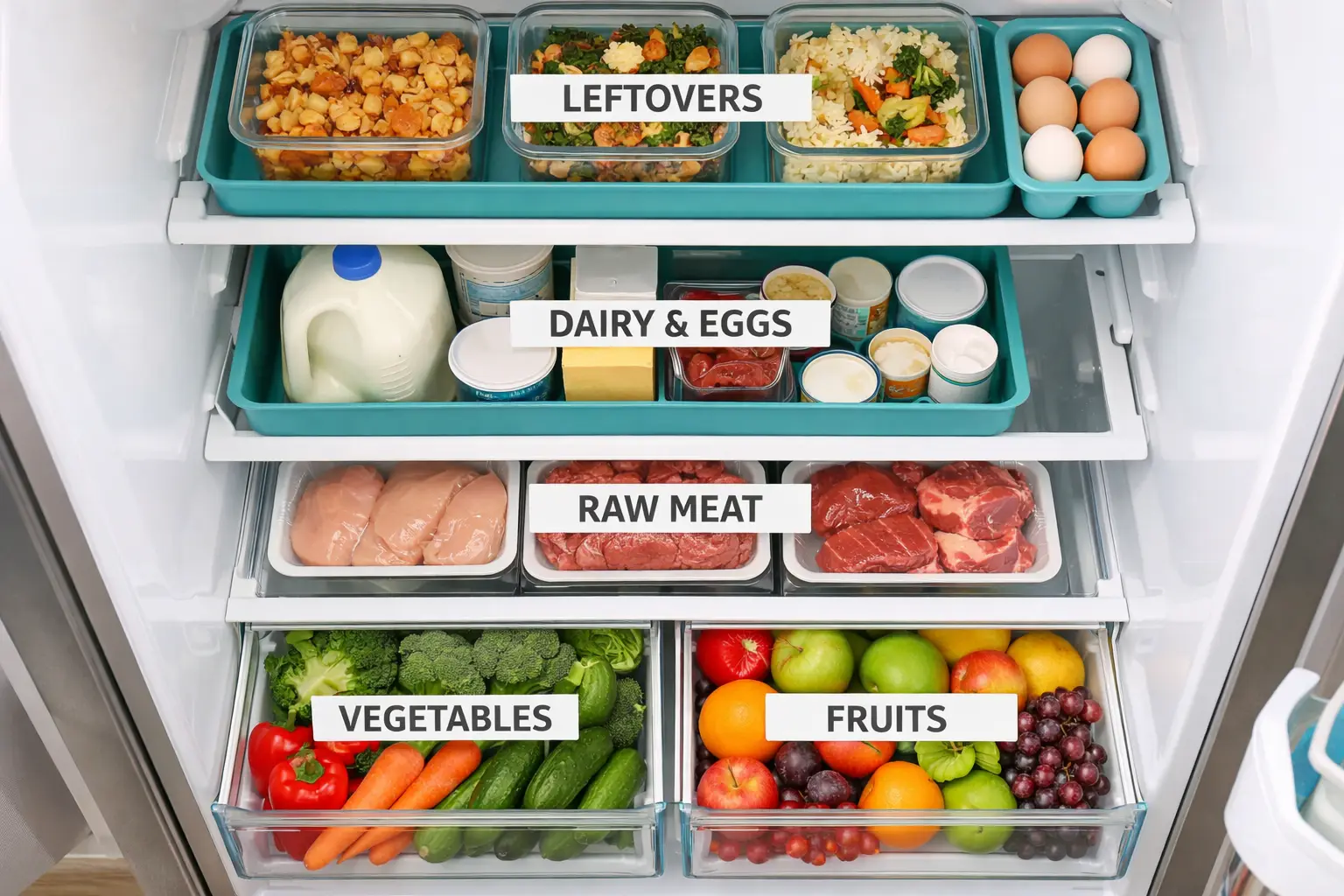
- The fridge has four main zones: upper shelves, lower shelves, crisper drawers, and door compartments — each with a different temperature.
- Raw meat always goes on the bottom shelf to prevent cross-contamination.
- Door shelves are the warmest spot — keep condiments there, not milk or eggs.
- Crisper drawers have humidity controls: high humidity for leafy greens, low humidity for fruits.
- Clear containers and labels save time and reduce food waste.
- The “first in, first out” rule keeps older food from getting buried and forgotten.
- A well-organized fridge can help reduce food waste and make meal prep faster.
- Wipe shelves down before restocking — it takes five minutes and keeps things hygienic.
Why Does Fridge Organization Actually Matter?
A disorganized fridge wastes food, wastes money, and slows down everyday cooking. When food is stored in the wrong zone, it spoils faster — and when you can’t see what you have, you buy duplicates.
Good fridge organization isn’t about being tidy for the sake of it. It’s about building a kitchen workflow that saves time, keeps food safe, and makes cooking feel less chaotic. For busy home cooks, that’s a real win.
Common problems a disorganized fridge causes:
- Leftovers hidden at the back until they go bad
- Raw meat dripping onto ready-to-eat food (a food safety risk)
- Produce wilting because it’s in the wrong humidity drawer
- Milk spoiling faster because it’s stored in the door
What Are the Main Fridge Zones?
A standard fridge has four distinct zones, each with different temperature levels and best uses. Understanding these zones is the foundation of the zone-by-zone guide.
| Zone | Location | Temperature | Best For |
|---|---|---|---|
| Upper shelves | Top 1–2 shelves | Moderate cold | Leftovers, drinks, ready-to-eat food |
| Lower shelves | Bottom shelf | Coldest | Raw meat, fish, poultry |
| Crisper drawers | Bottom compartments | Controlled humidity | Vegetables and fruits |
| Door shelves | Inside door | Warmest | Condiments, juice, butter |
Key point: Temperature varies from top to bottom and from back to front. The back of the fridge is colder than the front. The door fluctuates the most because it opens and closes frequently.
How to Organize Your Fridge Like a Pro: Zone-by-Zone Guide (Step by Step)
Follow these steps in order for the best results. The whole process takes about 30 minutes.
Step 1: Clear Everything Out
Take everything out of the fridge. Check expiry dates and toss anything past its prime. Wipe down all shelves with a damp cloth and mild cleaner.
This is the most important step — you can’t organize clutter.
Step 2: Upper Shelves — Ready-to-Eat Foods
The upper shelves have a consistent, moderate cold temperature. This is the right spot for:
- Leftovers (in sealed containers)
- Cooked meals ready to reheat
- Drinks and bottled water
- Deli meats and pre-packaged snacks
- Herbs stored upright in a small glass of water
💡 Quick win: Use clear, stackable containers for leftovers. Label them with the date using masking tape and a marker. You’ll always know what’s in there and when it was made.
Common mistake: Storing milk on the upper shelf near the door. Milk needs a consistently cold spot — the middle or lower shelf at the back is better.
Step 3: Lower Shelf — Raw Proteins
The bottom shelf is the coldest part of the fridge and the safest place for raw meat, poultry, and fish. Storing raw proteins here prevents any drips from contaminating food below — because there’s nothing below.
- Raw chicken, beef, pork, and fish go here
- Keep them in their original packaging or a sealed container
- Place on a tray or plate to catch any leaks
Food safety rule: Never store raw meat above ready-to-eat food. This is one of the most common fridge mistakes and a genuine food safety risk.
Step 4: Crisper Drawers — Produce
Most fridges have two crisper drawers with adjustable humidity settings.
- High humidity drawer: Leafy greens, broccoli, herbs, asparagus, and other vegetables that wilt quickly
- Low humidity drawer: Fruits like apples, grapes, and berries that release ethylene gas
Edge case: Some fruits and vegetables don’t belong in the fridge at all — tomatoes, avocados (until ripe), bananas, and potatoes do better at room temperature.
Step 5: Door Shelves — Condiments and Stable Items
The door is the warmest and most temperature-variable zone. Reserve it for items that are less sensitive to temperature changes:
- Condiments (ketchup, mustard, hot sauce, salad dressings)
- Juice cartons
- Butter
- Jam and spreads
Don’t store here: Milk, eggs, or any item that needs consistent cold. Despite what many fridge designs suggest, the egg tray built into the door is not the best place for eggs.
How to Organize Your Fridge Like a Pro: Zone-by-Zone Guide — Products That Help
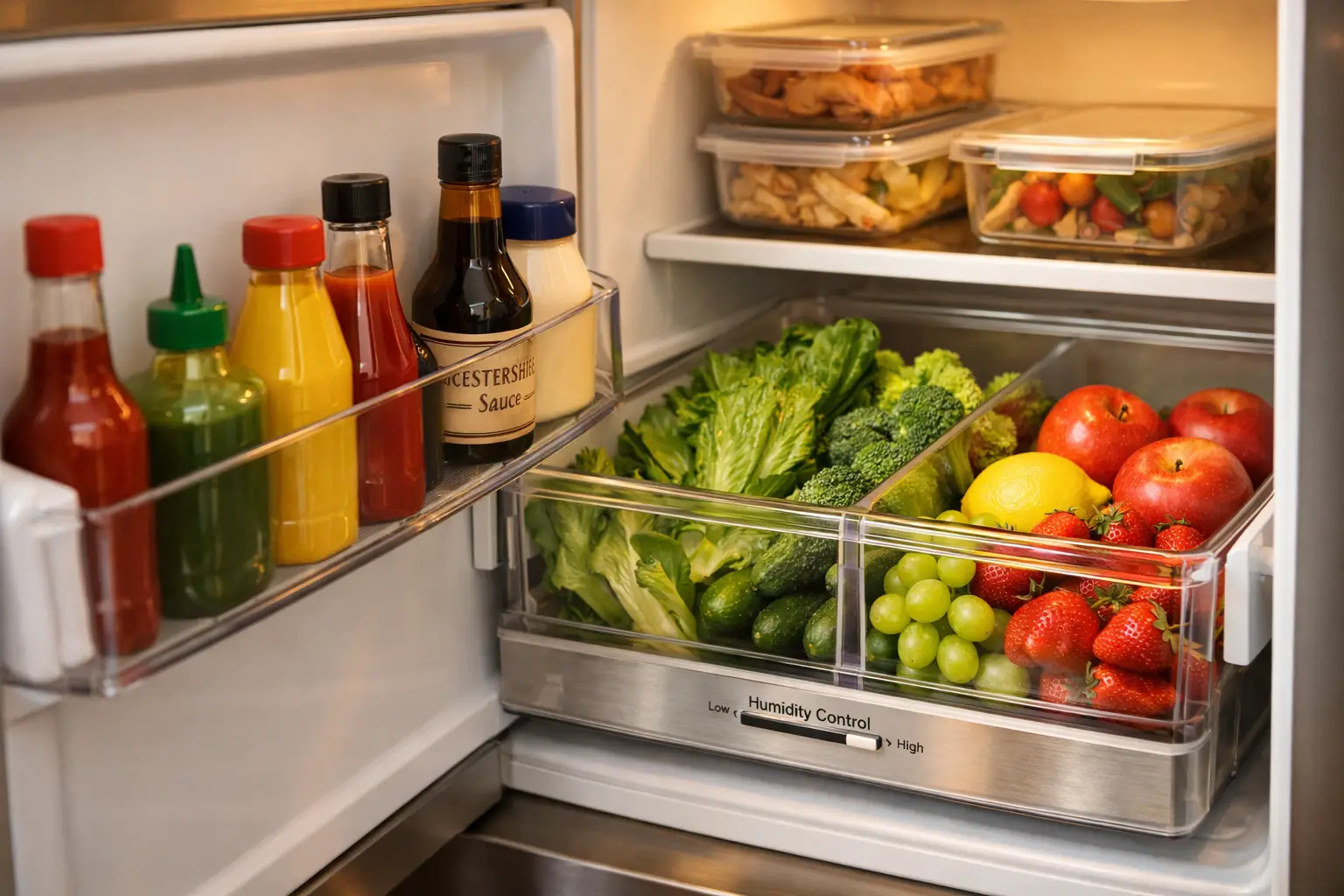
The right storage products make the zone-by-zone system easy to maintain. Here are practical options worth buying:
- Clear stackable bins: Group similar items (snacks, drinks, deli) so they’re easy to pull out and see.
- Lazy Susans (turntables): Great for condiments or small jars on shelves — spin to find what you need.
- Produce storage containers: Designed with vents to extend the life of fruits and vegetables.
- Egg holders: A dedicated egg holder keeps eggs organized and easy to count.
- Clip-on labels or label tape: Simple but effective for dating leftovers and marking zones.
Choose clear over opaque every time. If you can’t see what’s inside, it gets forgotten. Visibility is the single biggest factor in reducing food waste.
🧊 Fridge Zone Finder
Not sure where a food item belongs? Select it below to find the right fridge zone and get storage tips instantly.
What’s the “First In, First Out” Rule?
First in, first out (FIFO) means placing newer items behind older ones so older food gets used first. It’s a standard practice in professional kitchens and works just as well at home.
How to apply it:
- When unpacking groceries, move existing items to the front.
- Place new items behind them.
- Always grab from the front.
This one habit alone can significantly cut down on food waste over time.
How Often Should You Reorganize Your Fridge?
A full reorganization every one to two weeks is enough for most households. A quick tidy — wiping spills, moving older items forward, tossing expired food — can take just five minutes and is worth doing whenever you unpack groceries.
Signs your fridge needs attention:
- You can’t see what’s on the back shelf
- There are mystery containers you’re afraid to open
- Produce is wilting before you use it
- You keep buying items you already have
FAQ
Q: Where should eggs go in the fridge? Eggs belong on a middle shelf toward the back, not in the door. The door’s temperature fluctuates too much and can affect egg quality and safety.
Q: Can I store bread in the fridge? Generally, no. Refrigeration speeds up bread staling. Store bread at room temperature or freeze it for longer storage.
Q: How long do leftovers last in the fridge? Most cooked leftovers are safe for 3 to 4 days when stored in a sealed container on the upper shelf. Label them with the date so you don’t have to guess.
Q: Why does my fridge smell even when it’s clean? Strong-smelling foods like onions, fish, or aged cheese can transfer odors. Store them in sealed containers. A small open box of baking soda on a shelf can help absorb odors.
Q: Should fruits and vegetables share a crisper drawer? Ideally, no. Many fruits release ethylene gas, which speeds up ripening and can cause vegetables to spoil faster. Use separate drawers when possible.
Q: What temperature should a fridge be set to? The U.S. Food and Drug Administration (FDA) recommends keeping your refrigerator at or below 40°F (4°C) to slow bacterial growth.
Q: Are fridge organizer bins worth buying? For most people, yes. Clear bins group similar items, make it easier to see what you have, and reduce the time spent searching. They’re a smart choice for anyone who cooks regularly.
Q: How do I stop my produce from wilting so fast? Check the humidity setting on your crisper drawers. Leafy greens need high humidity. Also, don’t wash produce before storing — moisture speeds up decay.
Conclusion
Organizing a fridge doesn’t have to be complicated. The zone-by-zone approach gives every food type a logical home based on temperature, safety, and how often it gets used. Raw proteins on the bottom, ready-to-eat food up top, produce in the drawers, and condiments on the door — that’s the whole system.
Actionable next steps:
- Set aside 30 minutes this week to clear and reorganize your fridge zone by zone.
- Pick up two or three clear stackable bins to group similar items.
- Start labeling leftovers with dates — it takes five seconds and saves a lot of guesswork.
- Apply the first-in, first-out rule every time you unpack groceries.
A well-organized fridge is one of the easiest ways to improve your kitchen workflow, reduce clutter, and make everyday cooking feel more manageable. Start with one zone if the full reset feels like too much — even small changes deliver real-world results.
References
- U.S. Food and Drug Administration. (2022). Refrigerator & Freezer Storage Chart. https://www.fda.gov/media/74435/download
- USDA Food Safety and Inspection Service. (2020). Refrigeration and Food Safety. https://www.fsis.usda.gov/food-safety/safe-food-handling-and-preparation/food-safety-basics/refrigeration